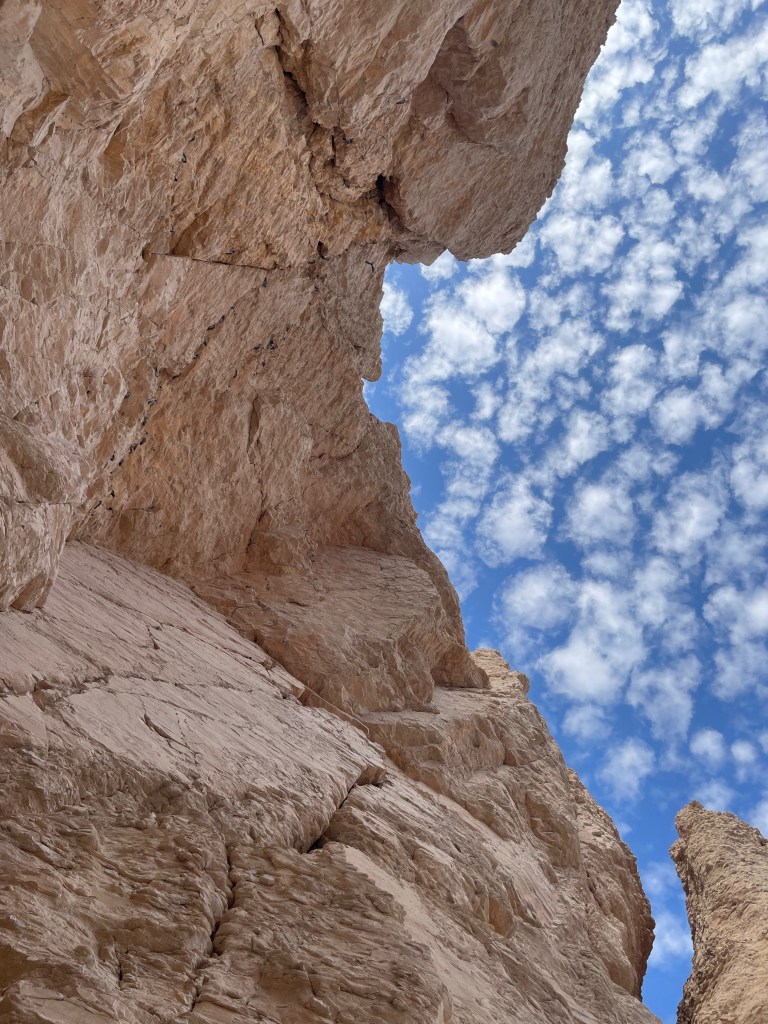
The tunnel slopes down and we begin to sweat in the moist air. Above ground, the air was crisp in the shade, and the skies sharp, under the sandstone cliffs. I was expecting it to get cooler as we descend into the earth. But the air gets warmer and increasingly humid. Perhaps the Ka and Ba are water-loving spirits. The Nile was the lifeblood of the god-king’s empire anyway. Or maybe it’s just the sweaty tourists huffing and puffing to see the wonders of the netherworld.
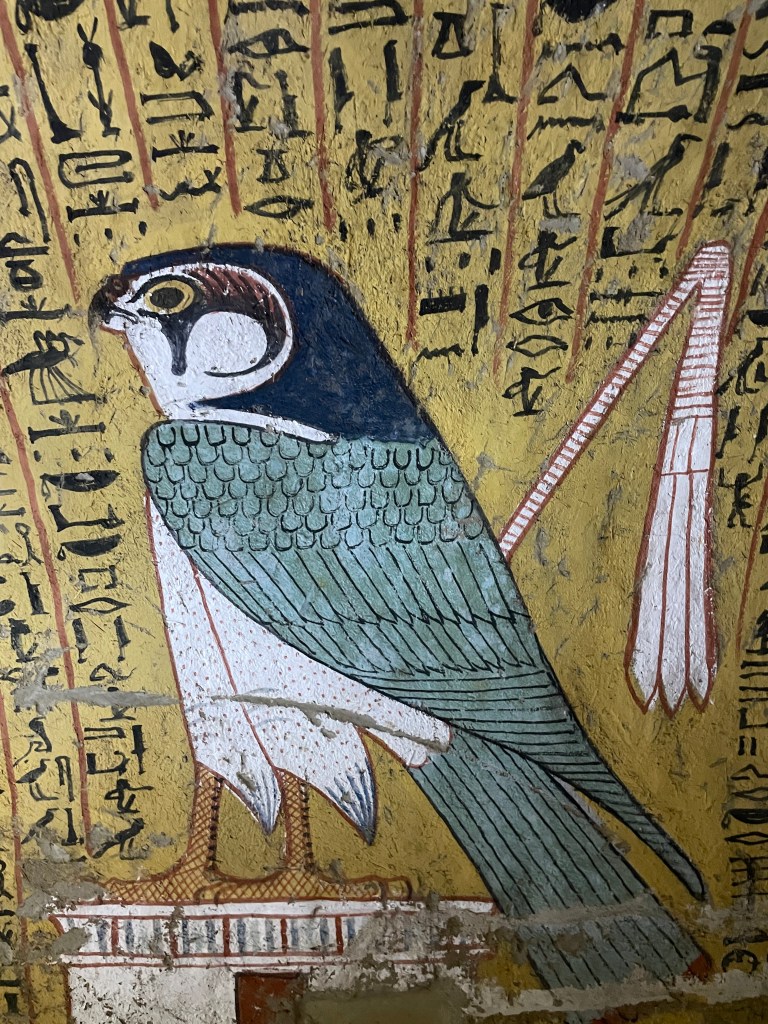
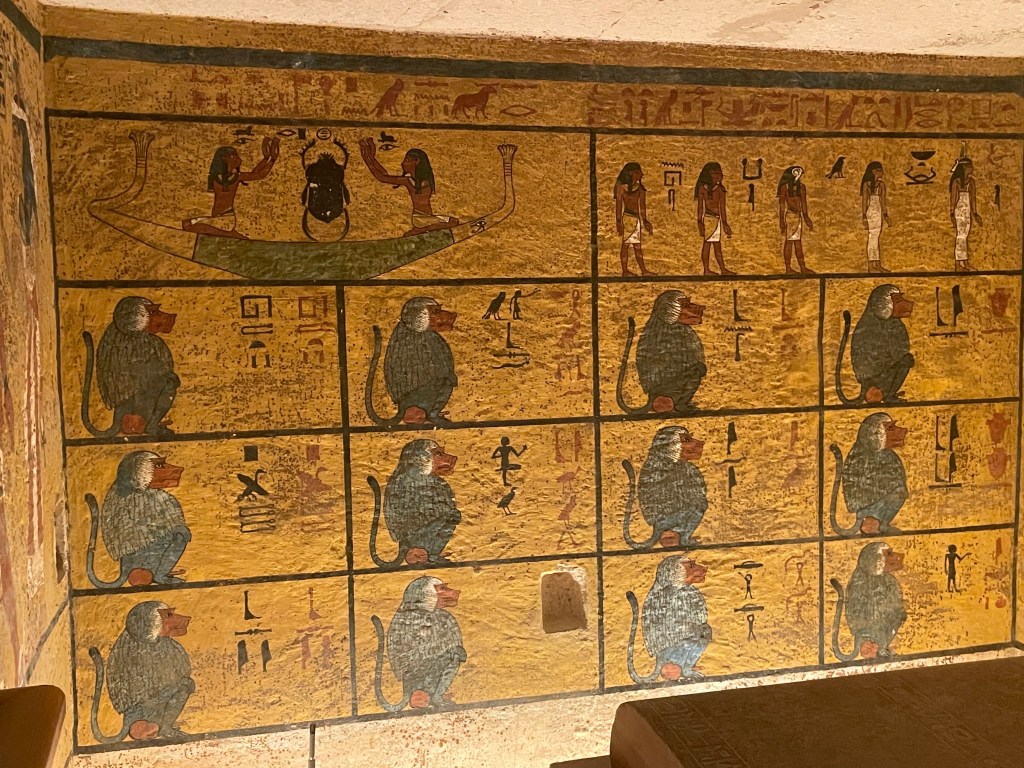
What a sight it is, though. The ceiling is a vivid blue. The walls are ochre and red. There are rows of baboons, falcons, scarabs, cobras, and black jackals. Before they went down the rabbit hole into the world of the dead, the Egyptians must have studied the natural world of the living with the dedication of wildlife biologists. The details are stunning. The dark stripe on the falcon’s cheeks—what we birders call a malar stripe. Good old Horus would be called the Lanner Falcon today. Sharp of vision, dexterously violent, enforcing the natural order of the food chain from the sky. What better bird could be the Pharaoh?
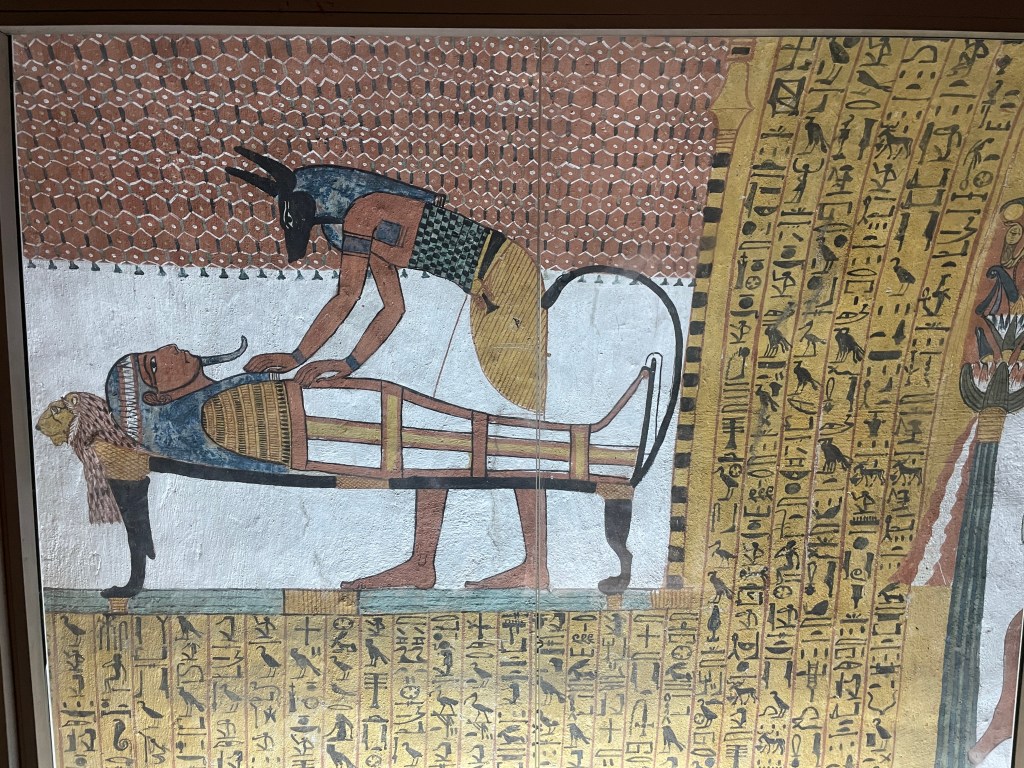
They ground and heated ores of iron, copper, and limestone to create their colors. Liquefied bones and tree gums to bind the whole thing together. The black jackal was put together with the soot from frying pans and flickering oil lamps. Anubis, the jackal who was the god of extracting organs, emerges from the underbelly of a well-used pan.
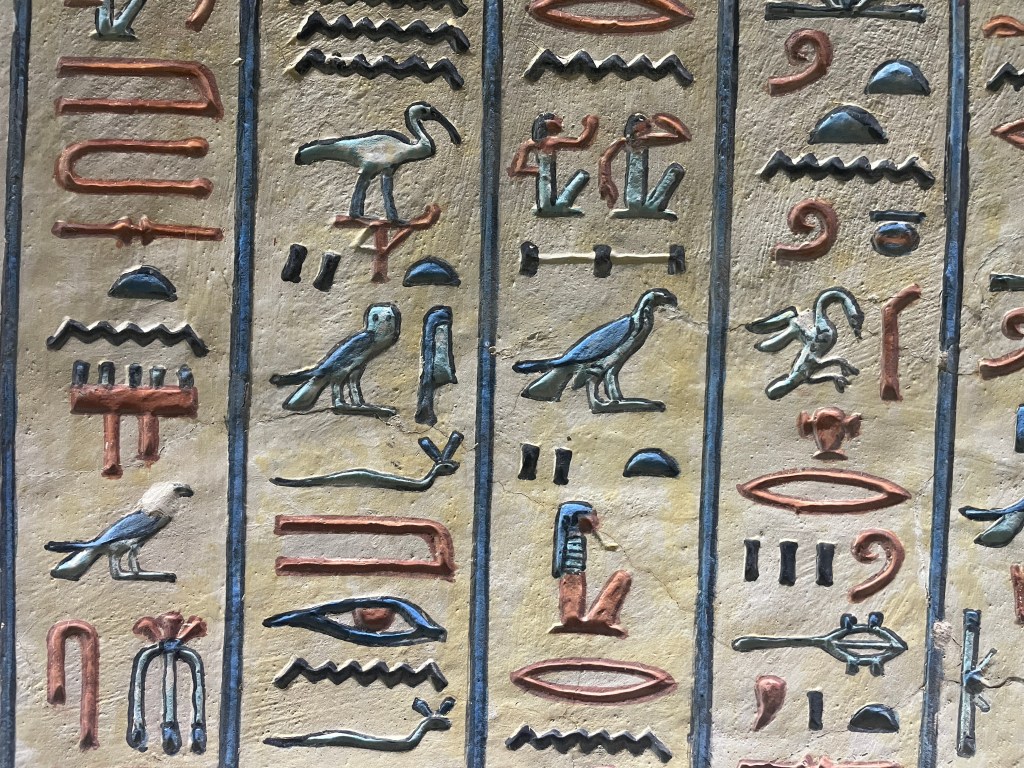
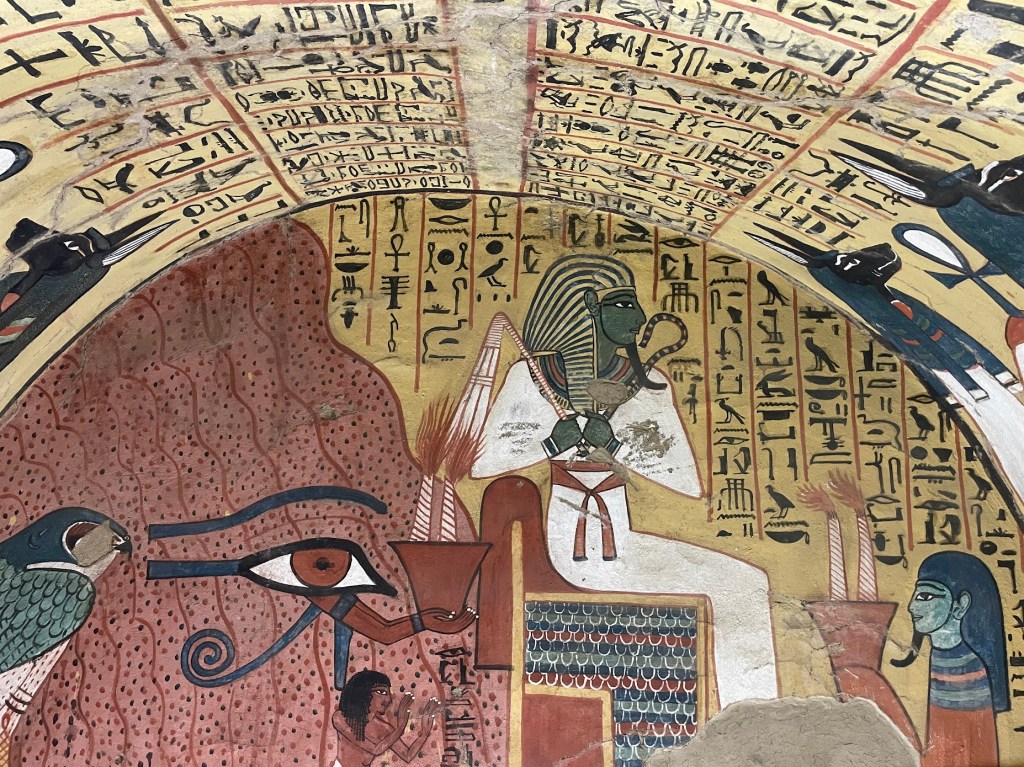
Then they wrote their spells to protect the different bits and pieces of the Ba in neat hieroglyphs. The lungs, heart, and liver all had their separate jars. Interestingly, they believed that the heart was the source of all thoughts. The gooey brain, which they pulled out of the nose, was just a mucus-secreting piece of fat. This is how science evolves when embalmers take their work too seriously.
Tutankhamun, for all the spells and loving caresses by Anubis, lies in a glass case in one of the tombs. Everyone wants a picture of the mummy. We didn’t descend into the stuffy netherworld just to look at paintings of baboons. King Tut looks well pickled after three and a half thousand years. A white bedsheet is pulled over his body, keeping the rest of the ghastly Ba out of sight and lending an air of faux dignity. One hopes it’s pure Egyptian cotton at least.
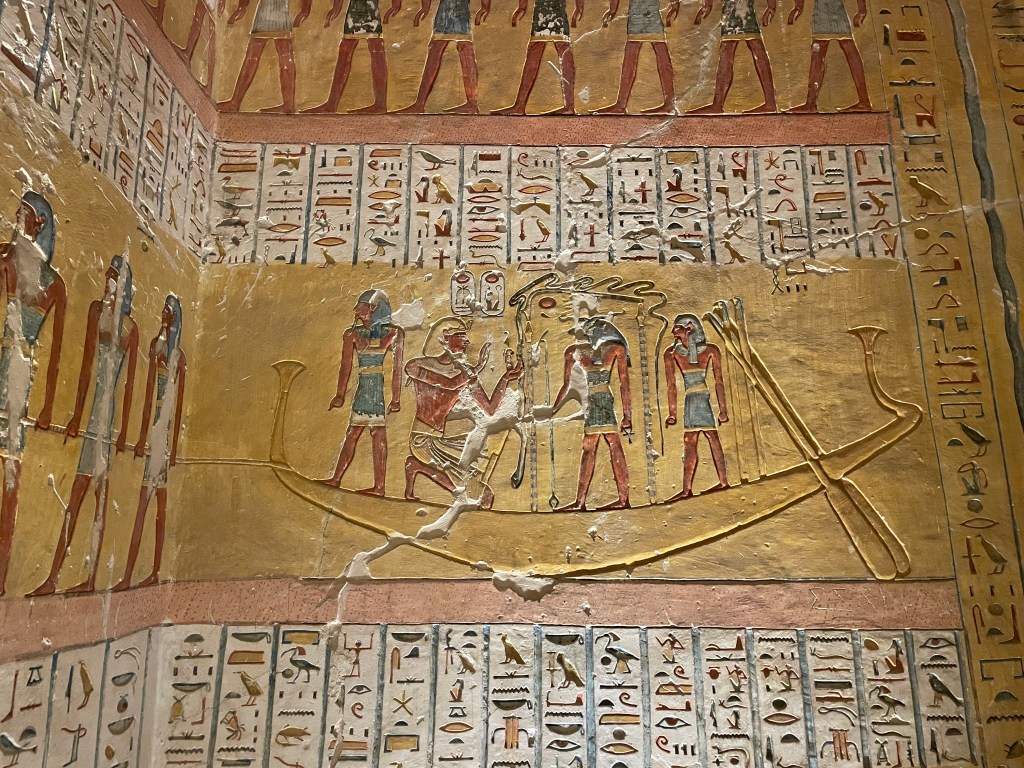
We go down a few other tombs in what is now called the Valley of the Kings. A grand name for brown sandstone cliffs. The Pharaohs who came two thousand years after the pyramid builders wanted to hide their corpses deep in the hills. The pyramids were giant beacons and treasure hunters had defiled the Ka and Ba of the old kings thoroughly. Hence all the tunneling into hills and painted charms on the dark walls of the tombs.
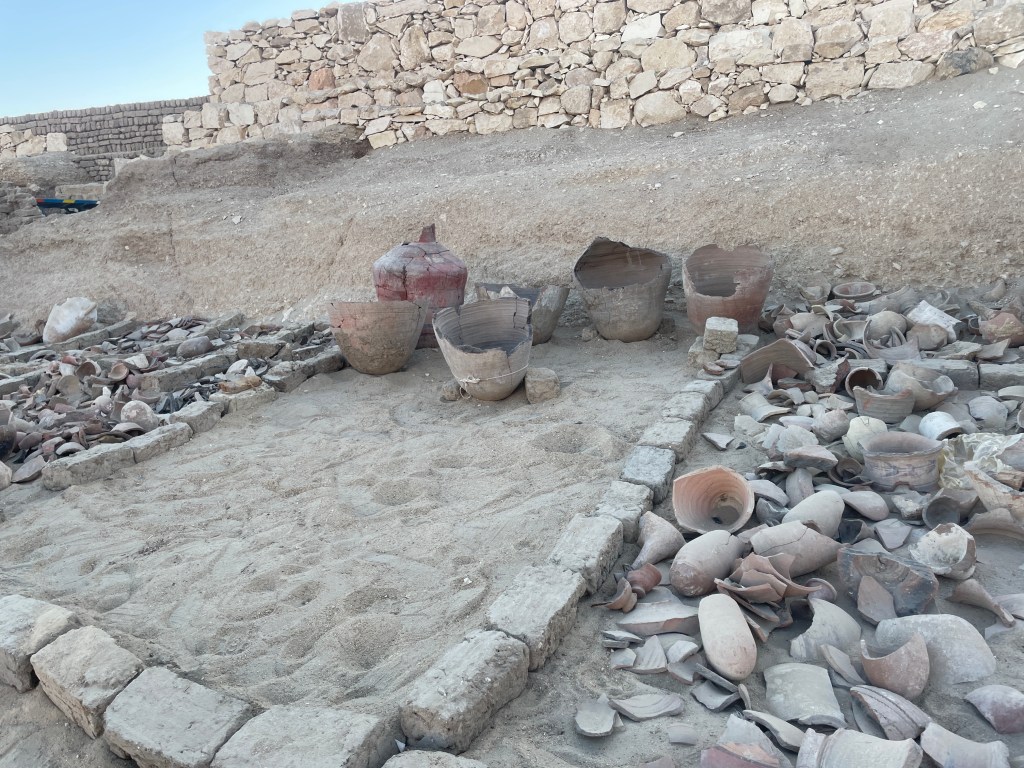
Alas, it did not work. Within a few generations, the kingdom frayed and morality decayed. There was no Ramesses the Great to maintain Ma’at and most of the tombs and mummies were pilfered for a bit of gold and rubies. The priests of these degraded times took their cut and redistributed wealth. What’s the point of the dead hoarding up all the gold anyway?
Not one particularly diligent priest, though. He salvaged whatever dried-up mummies he could gather and shoved them all down an unmarked trench. The idea seems to have been to at least preserve the Ba, in whatever shape or form. Truly, the power of ritual is strong. It worked for the next few thousand years, until a farmer began selling bits of old mummy gold to French collectors a hundred years ago.
And that is how we know that Ramesses the Great was in fact a balding, hook-nosed old man in his nineties when he died because of a toothache. Too much bludgeoning of Hittite heads and not enough brushing seems to have done him in finally.
It wasn’t all hairy patriarchy though. A queen, Hatshepsut, had one of the biggest tombs built. Of course, she had to dress up as a man and even wear a fake beard to please the misogynistic rabble, but deep down she seems to have been a gentle woman who enjoyed a spot of gardening. She had whole orchards of myrrh trees transplanted from Ethiopia into these lands and spoilt her son to bits, so that when he became the king, he tried his damndest to wipe off the good mother’s name from posterity. Rich spoilt kids aren’t a new problem, apparently. I make a mental note, to deny the kid, whatever he asks for next.
I wonder how broad the Nile was when Hatshepsut ruled. Judging by the ducks, geese, and egrets depicted on her tombs, the floodplains would have been vibrant marshes back then. Wintering birds from Europe would have feasted on snails and frogs. Crocodiles snapped up from the mud to snatch an unwary ibis. And Anubis, the jackal, cleaned up the mess.
Over a few days, we wander around the valley of the dead and I particularly like the tombs that the head workers built for themselves. Smaller in scale, they chose to paint scenes of toiling in the fields, harvesting grain, and getting their hair done in braids. Doing up your own future tomb in your spare time, without all the fat priests around, they painted what they liked. Dhanya, has always maintained that art is for having fun.
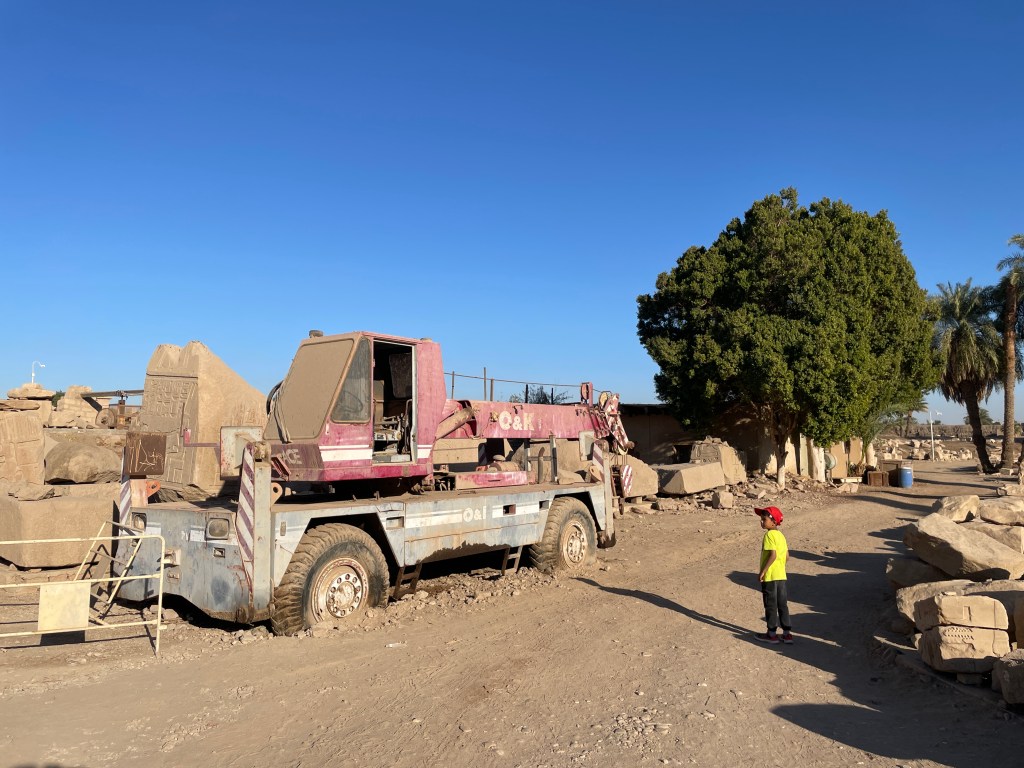
When we do visit the East bank, the land of the living sun and the sprawling Karnak temple, we have seen enough hieroglyphs.
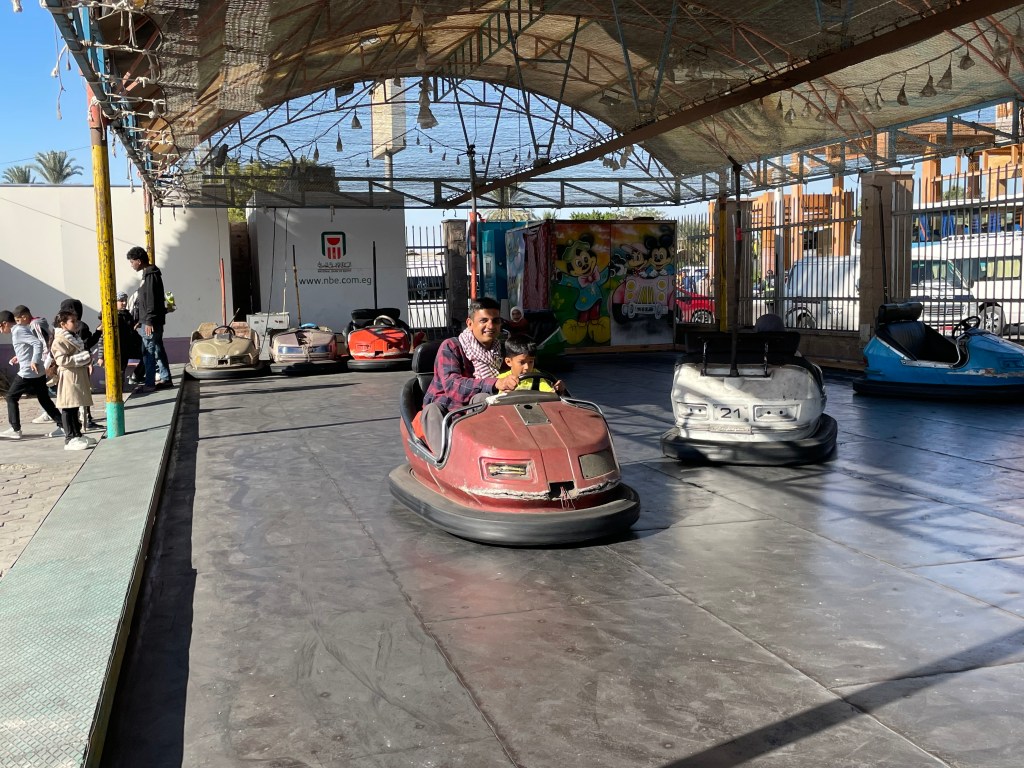
Arjun has the most fun riding dodgem cars in a small fair next door. We take several turns riding the little cars, sending sparks up the electric mesh that powers these machines, bumping and spinning. It’s good, proper fun.
 Three Bears Travel