A plump white rooster clambers atop a stone fence and surveys the golden-yellow hay. Its red crest contrasts brightly with the stark white houses that glare hotly in the Mediterranean sun. Out in the distance, the Aegean Sea is a deep blue in the afternoon. Closer to shore, some of the sea is poured on the blue domes of the white chapels that dot the hillsides of Sifnos. White and blue is the dominant theme here. Even the cracks on the floor are painted white.

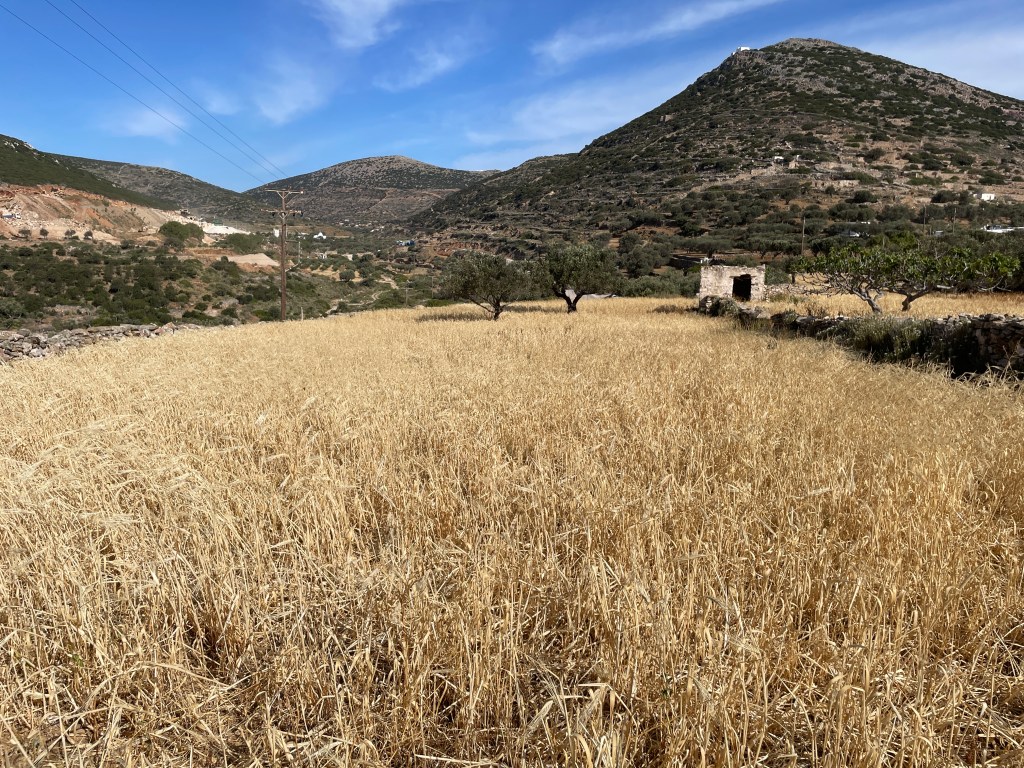
We are on a hike in spring and the yellow daises and purple thistles provide a bit of diversity in the color scheme. We walk along a rough stone trail towards the church of Agios Sostis. The hillsides are cut into terraces and short olive trees stand firmly, weathering the strong gusts of wind. The air is dry and the mountainsides are mostly barren of large trees.
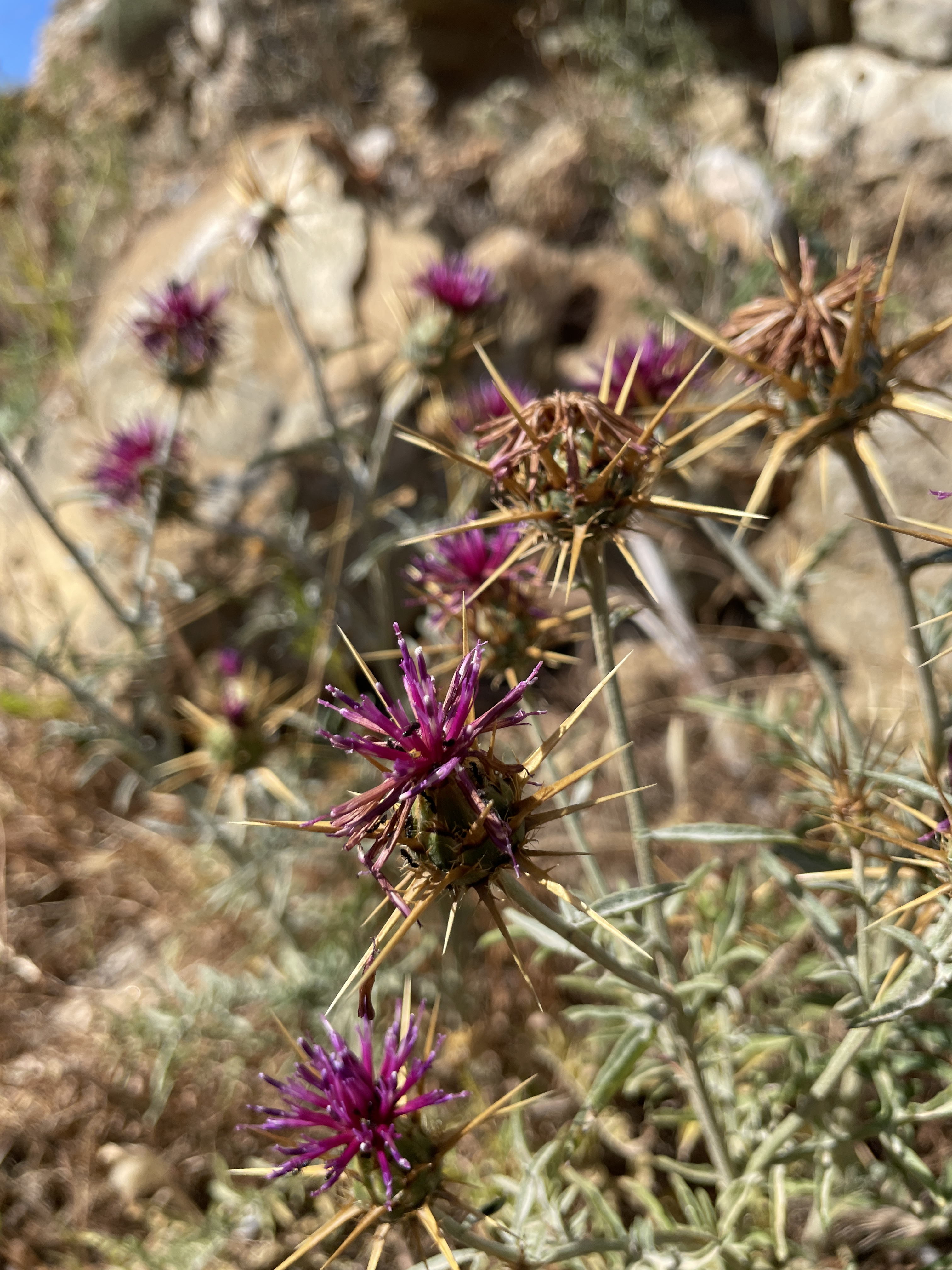
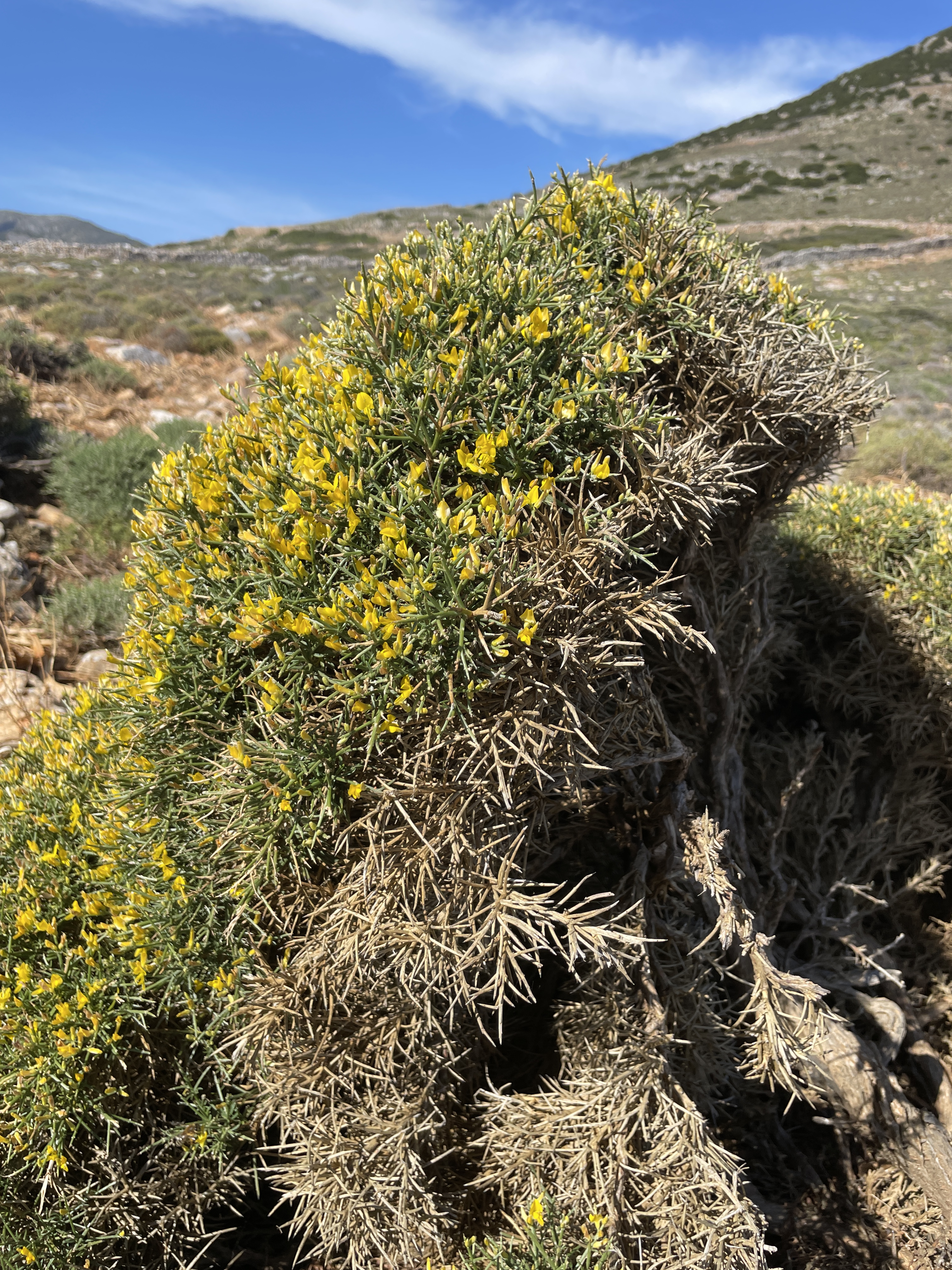
Dense green shrubs, some with spiny thorns, line the trail. I am tempted to pluck a few leaves. Some smell of thyme and some of lavender. We ponder, the possibilities of taking some leaves home for tea, but abandon the idea. A clump of pointy land snails cling onto the rock, waiting to be discovered by the gastronomically inclined sifnians.
Sifnos is today renowned for its walking trails, ceramic pottery, and culinary arts. On a mostly dry island, with scarce water, the locals indulged in good food. Goats and sheep range truly freely on the hill slopes. On another day, while on a drive from the remote village of Cherrinisios, we stop to just listen to the sound of the tinkling bells in the wind.
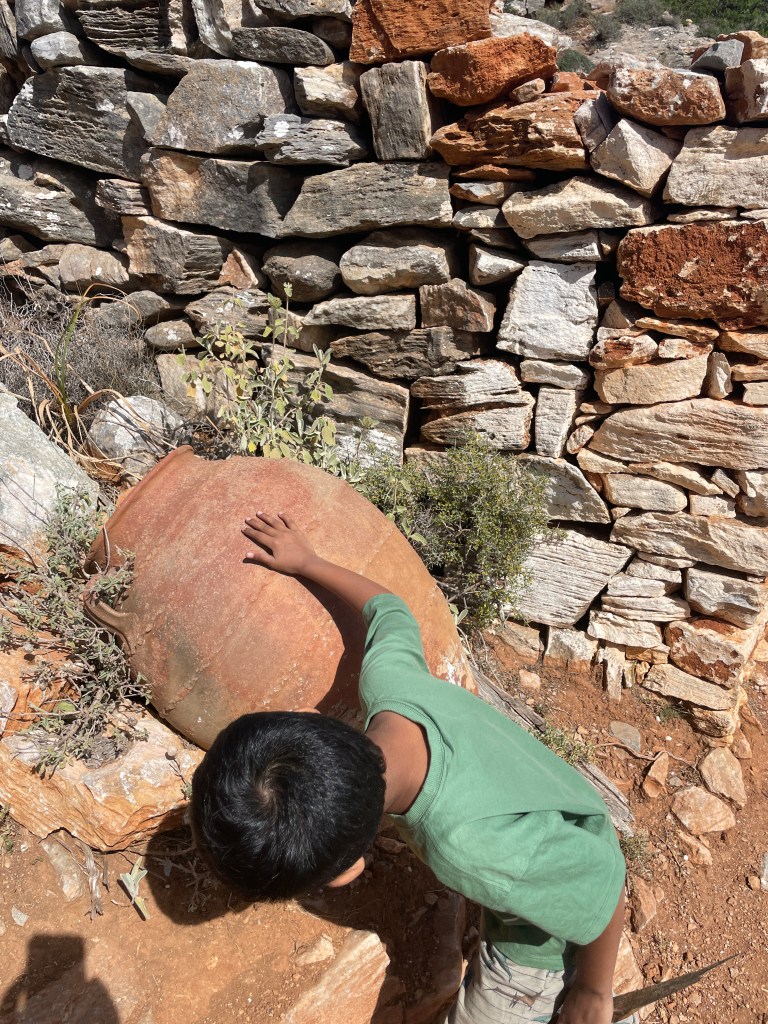
The goats and sheep that forage on the slopes also provide the ingredients for the tasty treats. Their milk is made into manoura an aged cheese that we procure from a local bakery. When cold, it tastes and smells quite horrible, but improves dramatically when heated. Then there is tender goat cooked in a ceramic pot over a wood fire. The “mastelo” makes for a hearty way to recuperate from a stiff climb.
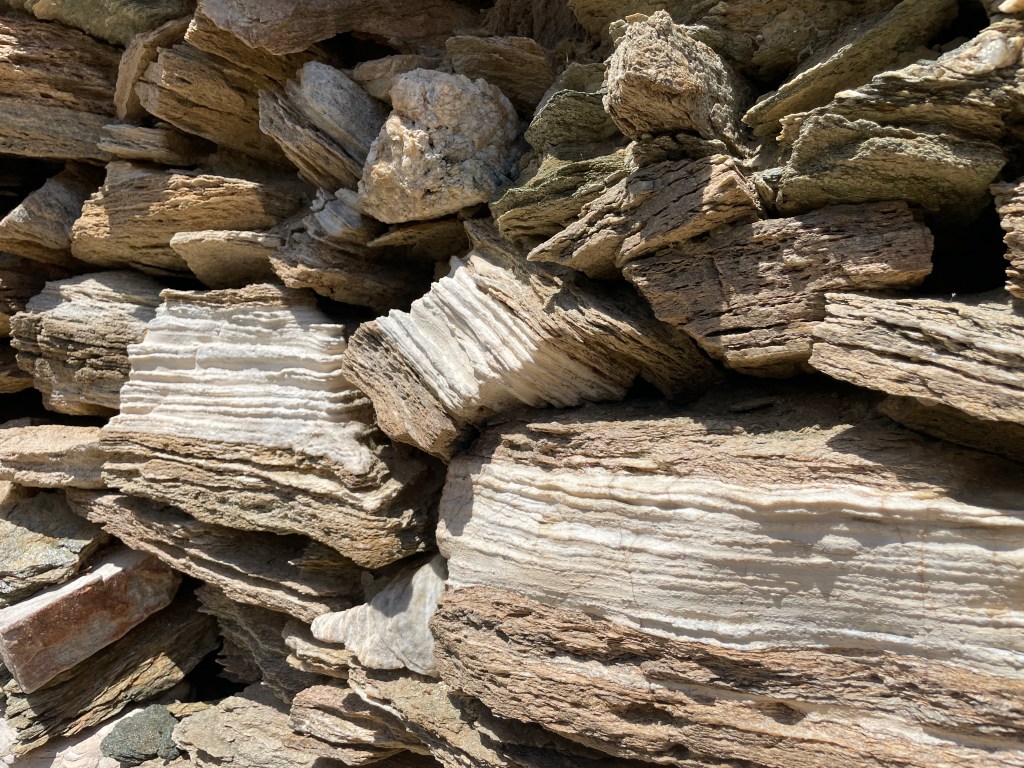
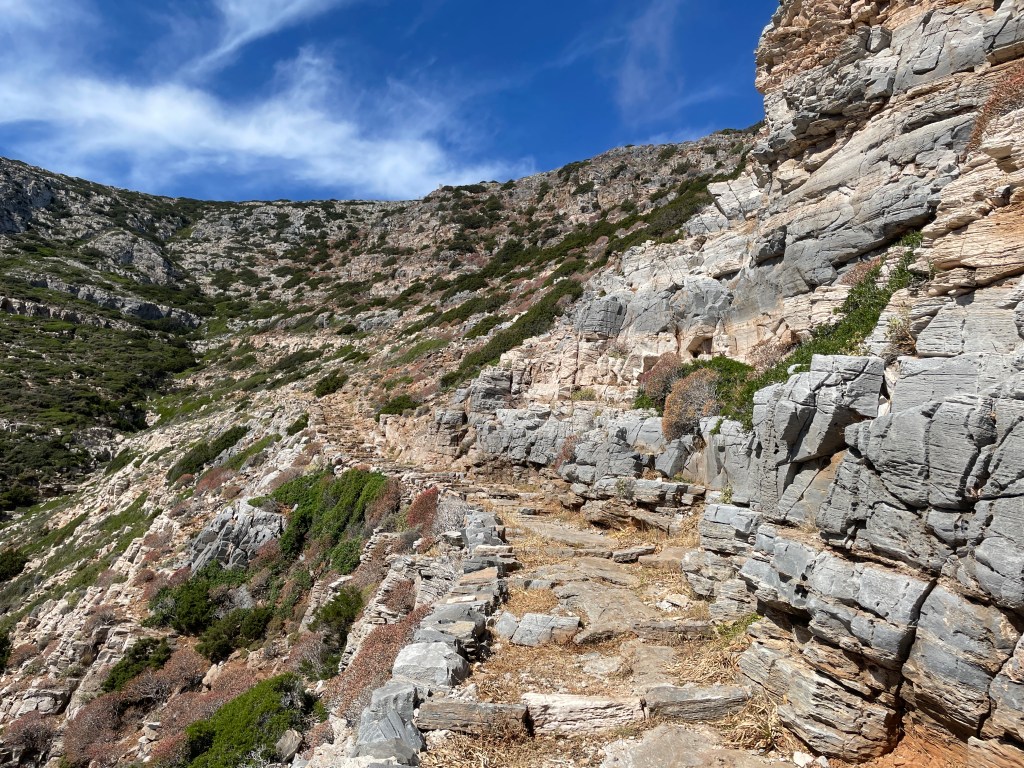
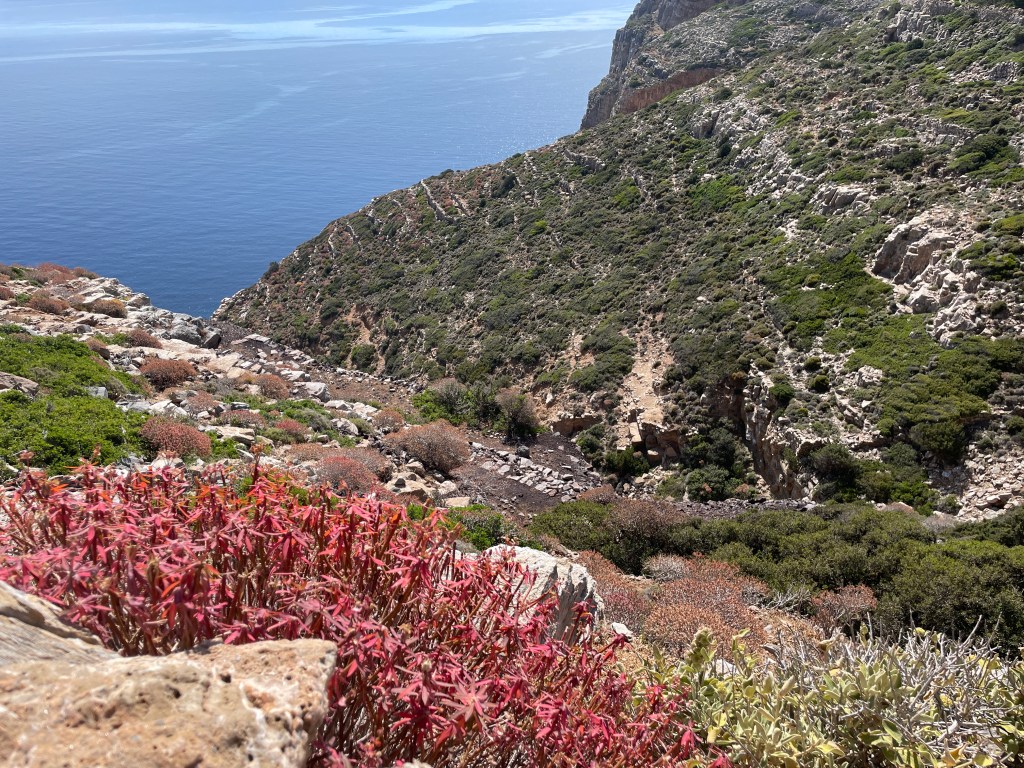
Coming back to our hike to Agios sostis. It is downhill and we must first descend before climbing up. The steps are rough slabs of marble. I see large marble and limestone boulders, striated with the deposited sediments of prehistoric seas. Red spurges cling on to the otherwise tree less hill. The rocks are an interesting mix of marble, granite and schist that sparkles with flecks of mica and ships off into thin cookies.
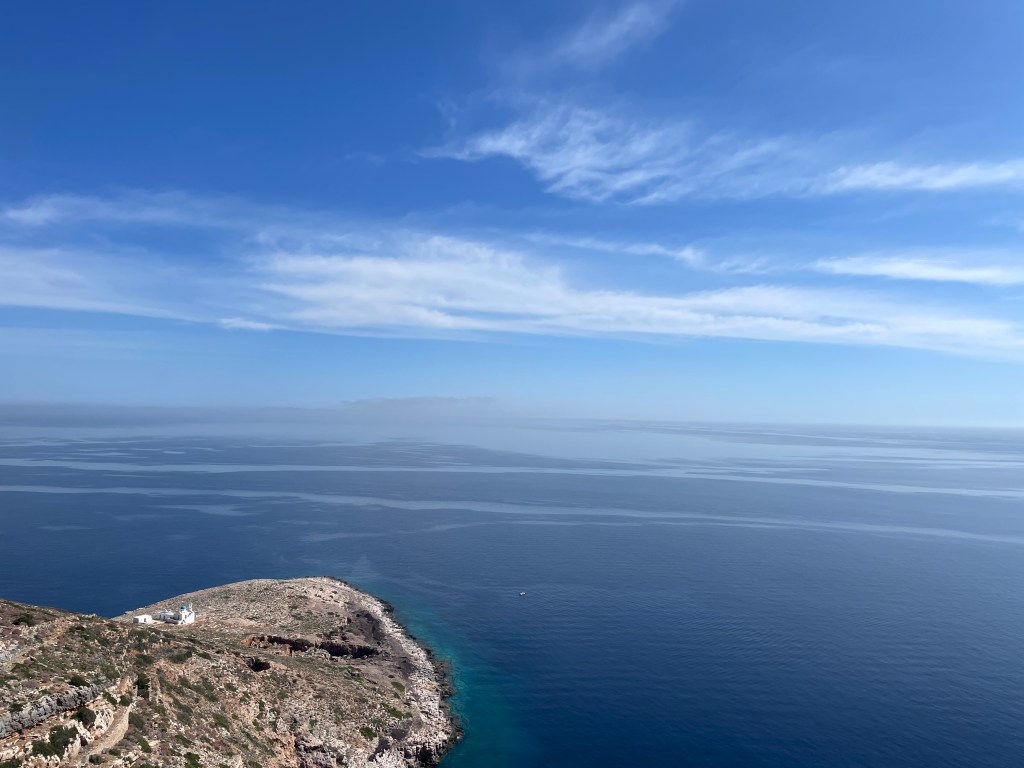
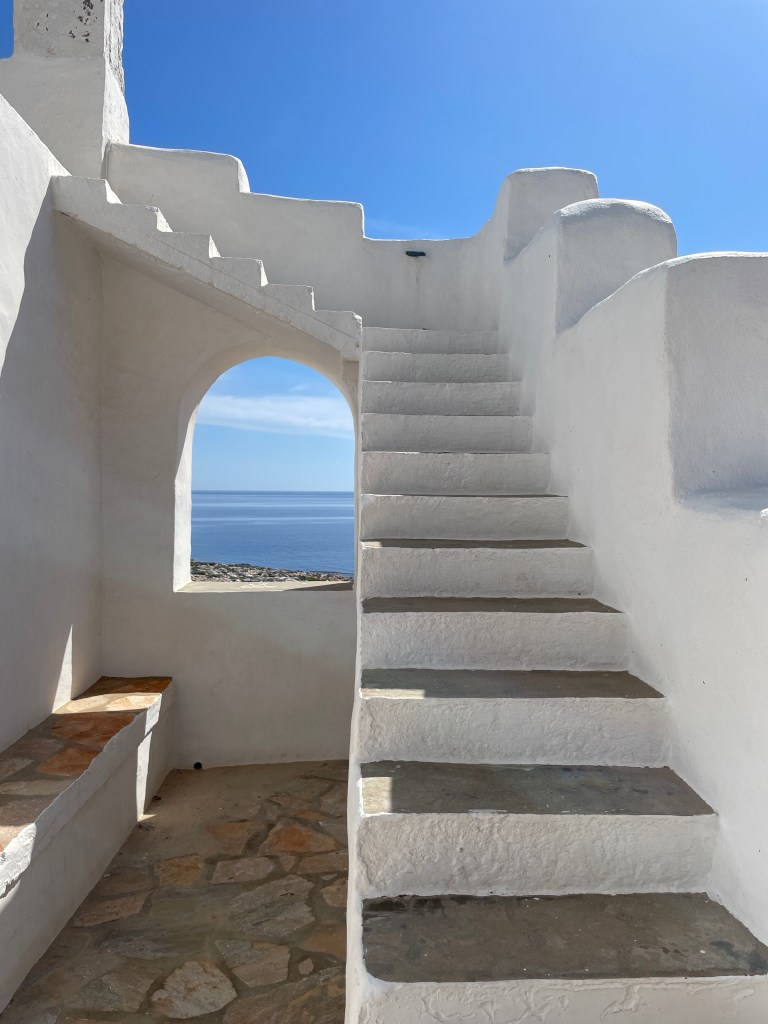
After a short descend we see a whitewashed cubical chapel with the requisite shimmering blue dome set against the blue sea. We open the blue door and step inside.
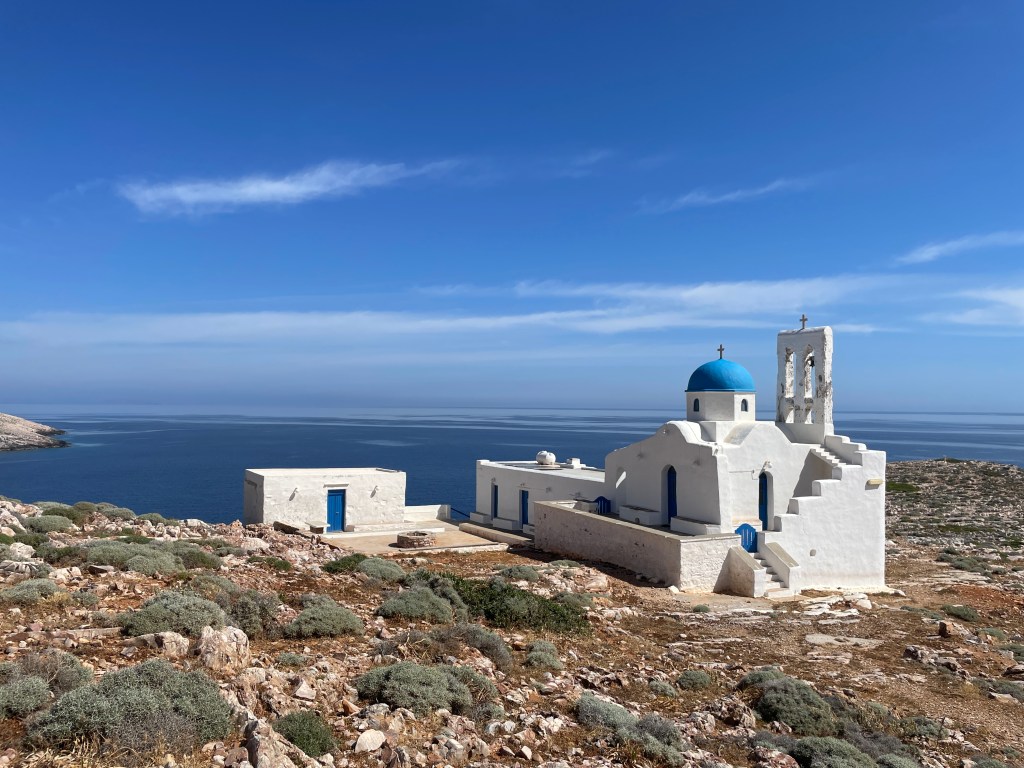
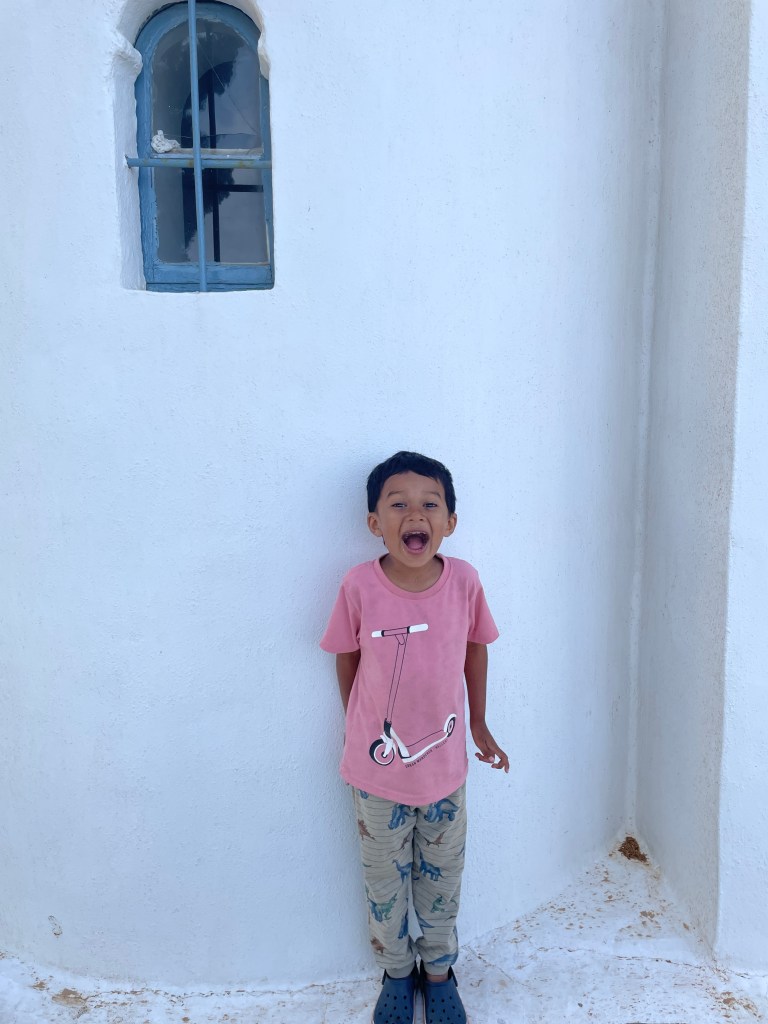
Arjun delights in lighting long yellow candles and then proceeds to burn some incense. The Orthodox Christians have the best churches. The slightly scowling faces of the saints and the somber-looking baby Jesus cradled by a mother mary who looks definitely oriental.
Beyond the chapel, I descend along a rough trail and see heaps of red glistening stones piled up. These mark the openings of ancient mines. If the historians are to be believed, these mines have been in use since 3000 years. This is where the stone age transformed into the metallic age. The ancient miners dug into the earth and found iron and silver. They smashed the rocks with stone hammers and smelted the ore on wood fires. Today we take home a few red rocks, rich in iron.
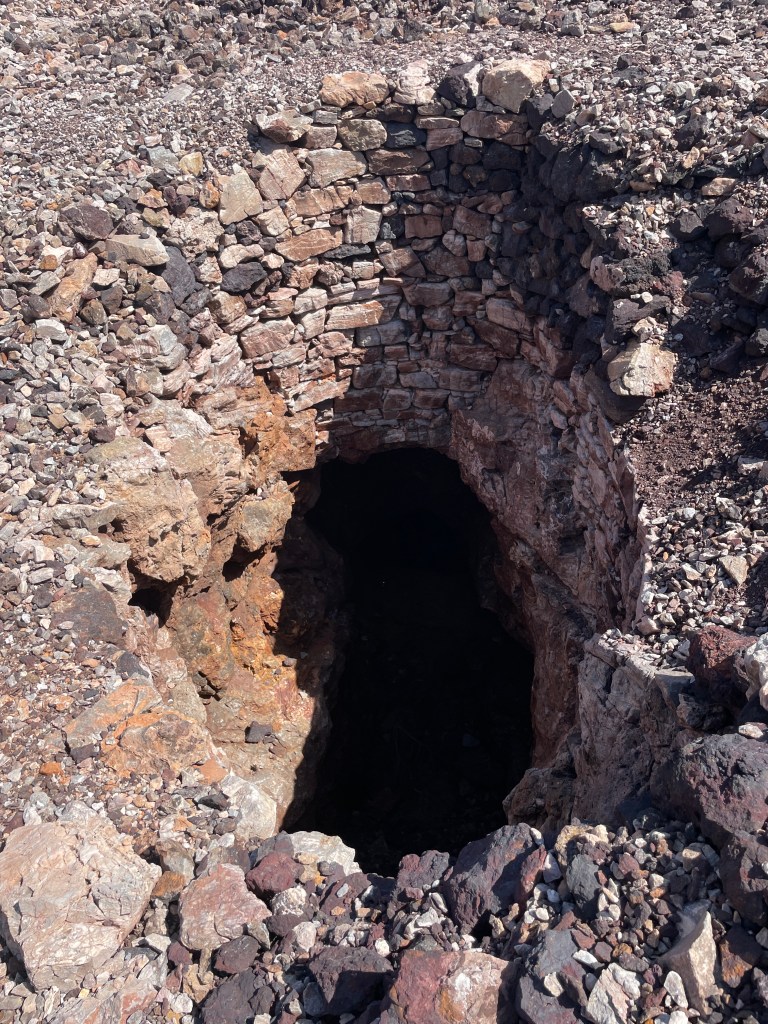
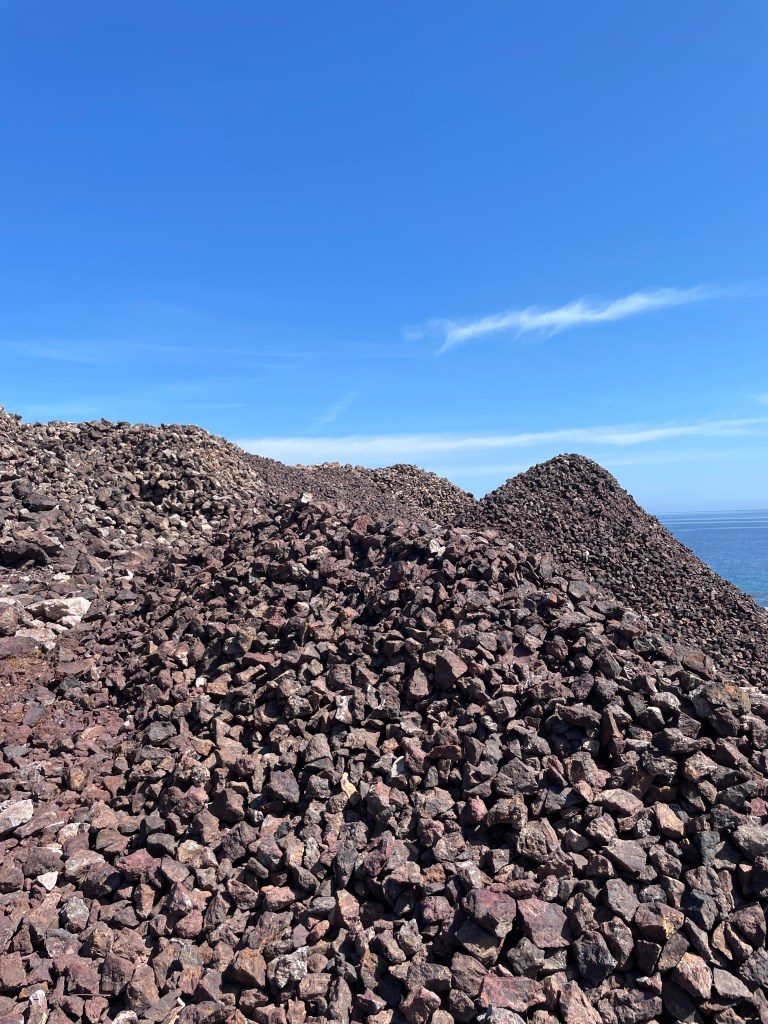
The mines continued to be in use for thousands of years. Other mines in sifnos would yield gold. They dug and dug and finally the mines were exhausted. The sea rose to fill in the shafts.
All this mining, made the ancient sifnians quite rich and the subject of much molestation by pirates in the times of “Treasure Island”. Then the sifnians, would retreat to the mountain tops, cook goats in their clay pots, and hurl stones at the pirates.
The climb up to the road is challenging with Arjun in his carrier. Despite the cool wind, I sweat freely. We make up the lost salts, with a beautifully cooked sausage, stuffed with feta cheese. This is the sifnian way.


What a wonderful article! You have so beautifully captured the essence of Sifnos. And what a pleasure it was to find that we were on the island at the same time, to share a cup of Sifnian sage tea and many stories. Happy travels. I look forward to reading about them.
LikeLike
thank you.
i have been to sifnos many times.
mostly interested in food than nature.
at my age hiking is limited. your blog . so vivid , made me feel an aspect of this magical island i have forgotten.
apparently i missed you by a week.
yours
sifninian by hart, israeli by nationality. yakir
LikeLike
Dear yakir, thank you for reading.
Indeed sifnos is a very special island and you are lucky that you have been there often. The food in sifnos is just mind blowingly awesome. Everywhere we went , it was apparent that sifnians treat their food with so much respect and craft the most delicious dishes.
Wishing you many more happy trips to sifnos !
LikeLiked by 1 person