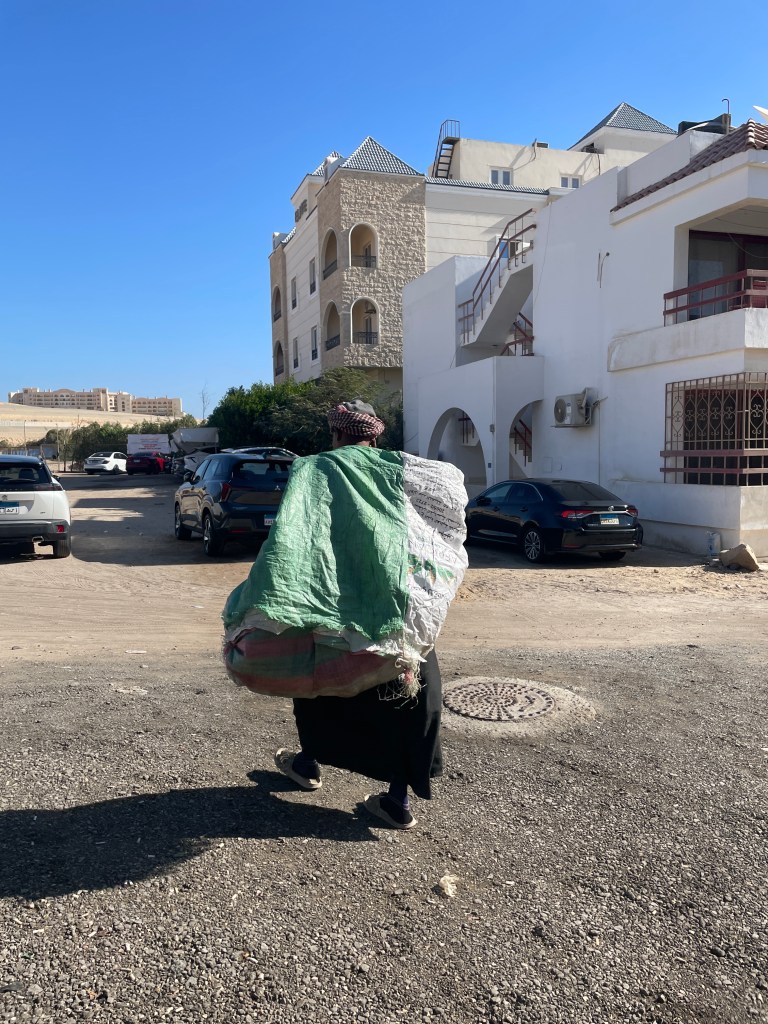
It’s a cool sunny morning. We stand beside a sand-brown mall that has long been abandoned. Perhaps, it was never even completed, the architects pleased enough by the latticed windows and the promise of an onion dome.
There is the smell of sand in the air, and a freedom that only bits of rubble, gravel, and abandoned car parts can provide.
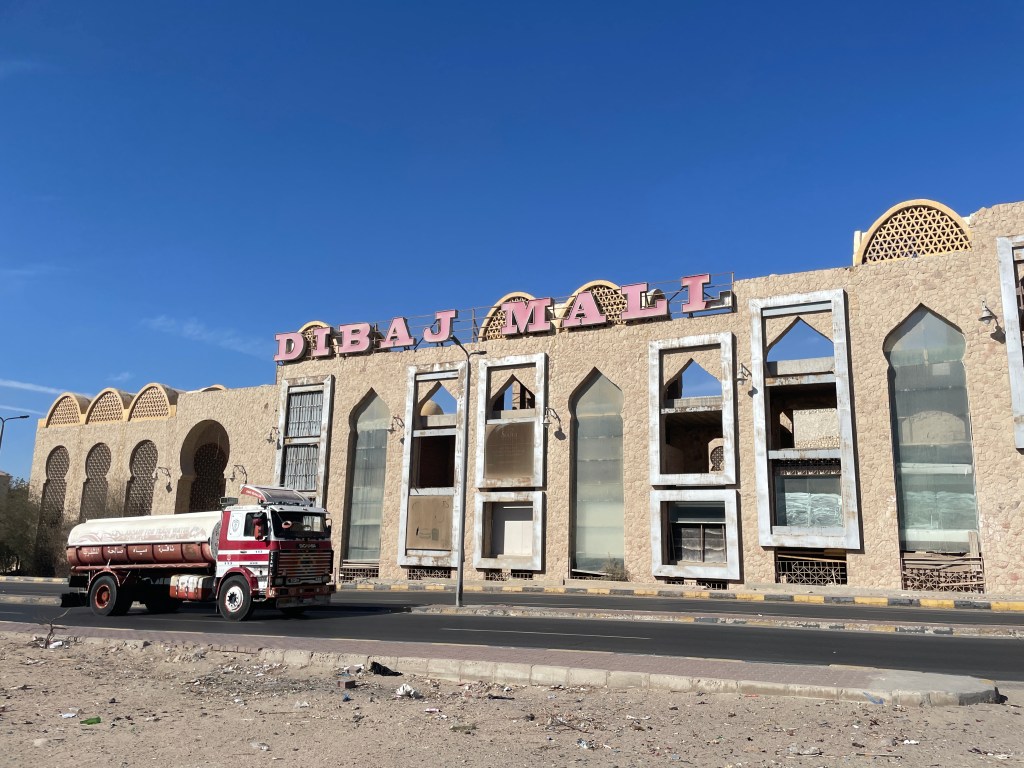
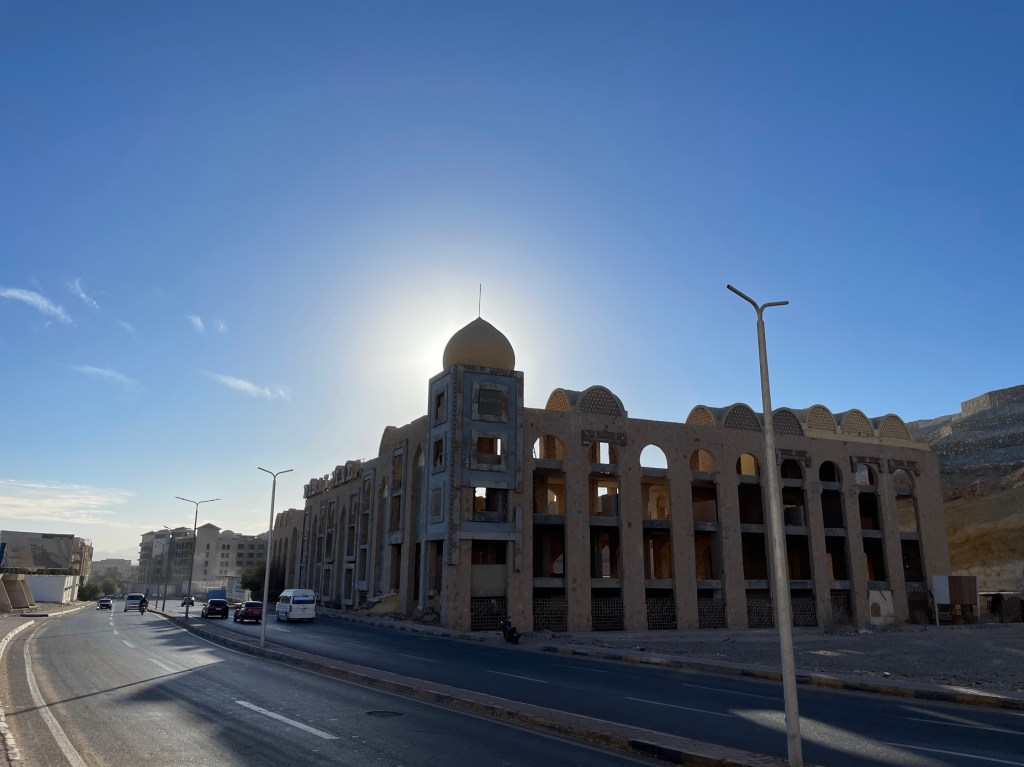
We stand beside the road that runs through outer Hurghada, watching the minivans speed by, loaded with commuters. These are the legendary Toyota Hiaces, over three decades old, ropes, prayer beads, and a bit of Egyptian welding keep them going. Somehow, in this interconnected global empire, it was profitable to cart them away from a scrapyard in Europe to the shores of Africa. Many even carry their blue German license plates under their green Egyptian ones.
We thumb one down and climb in next to the driver. The dashboard has a red, velvety carpet, and even the broken gearknob has some sort of rug wrapped around it. The door panels are old, bare metal, and Arjun sits on my lap. We rumble along the road, with the slow nasal rhythm of Surahs from the Quran that play in an infinite loop.
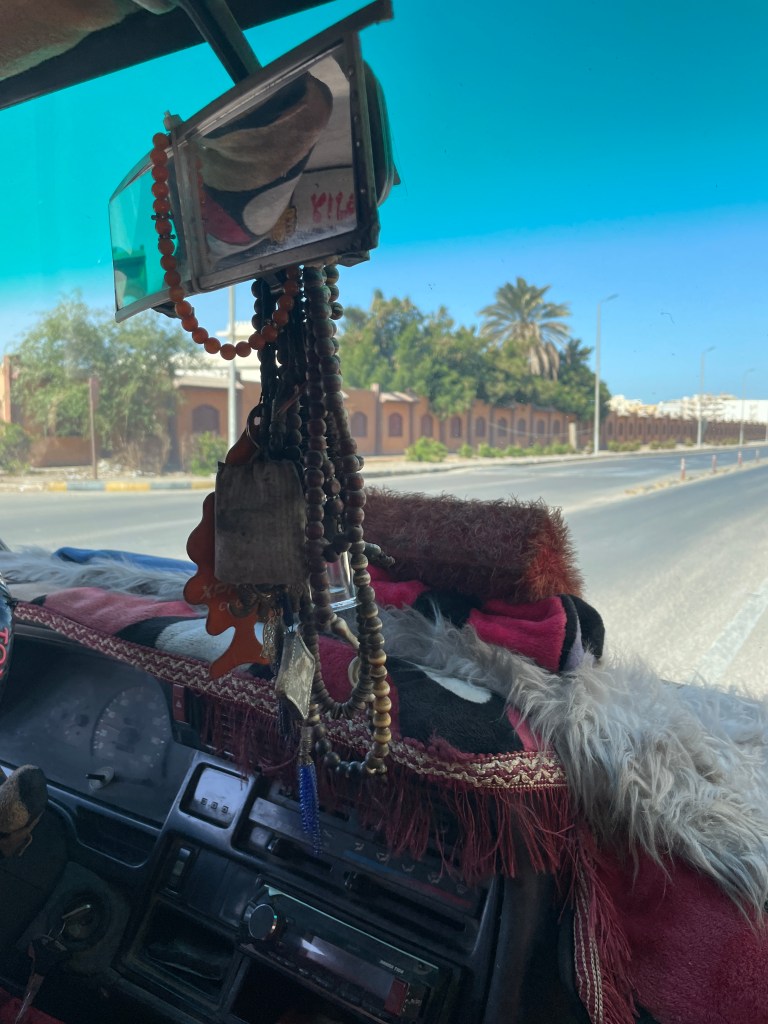
Someone from the back hands me some Egyptian money, which I pass to the driver. He shovels it into a crack in the roof and gives me some change, which I parry back. Another minivan tries to overtake us, maneuvering to pick up a waiting passenger. Our driver is alive to the challenge, and loud Arabic swearing follows. I nod along and agree. The competitor is a “Mukh Maafi”, or lacking any brains, I assure our driver.
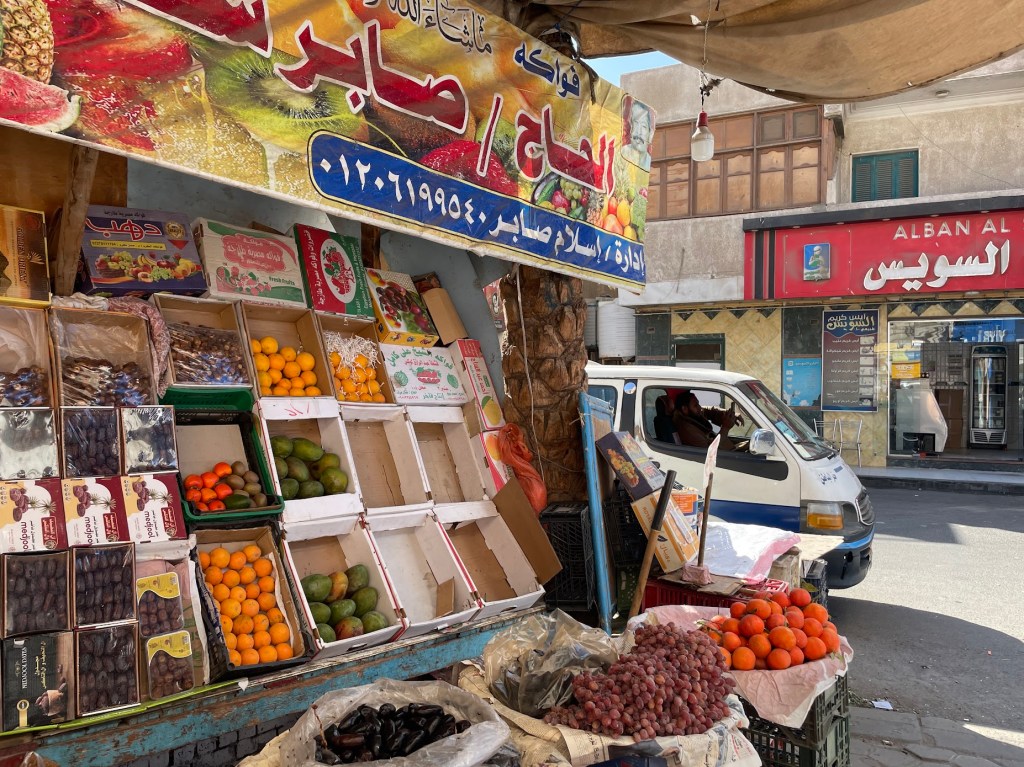
We get off when everyone else also steps out. I spot an old photogenic bandit and head off generally in his direction. Hurghada is on the Red Sea, with coral reefs close to the shore, and I figure asking for fish seems reasonable enough. I also know the Arabic words for a few edible animals. Alas, the fishmonger is closed, I learn.
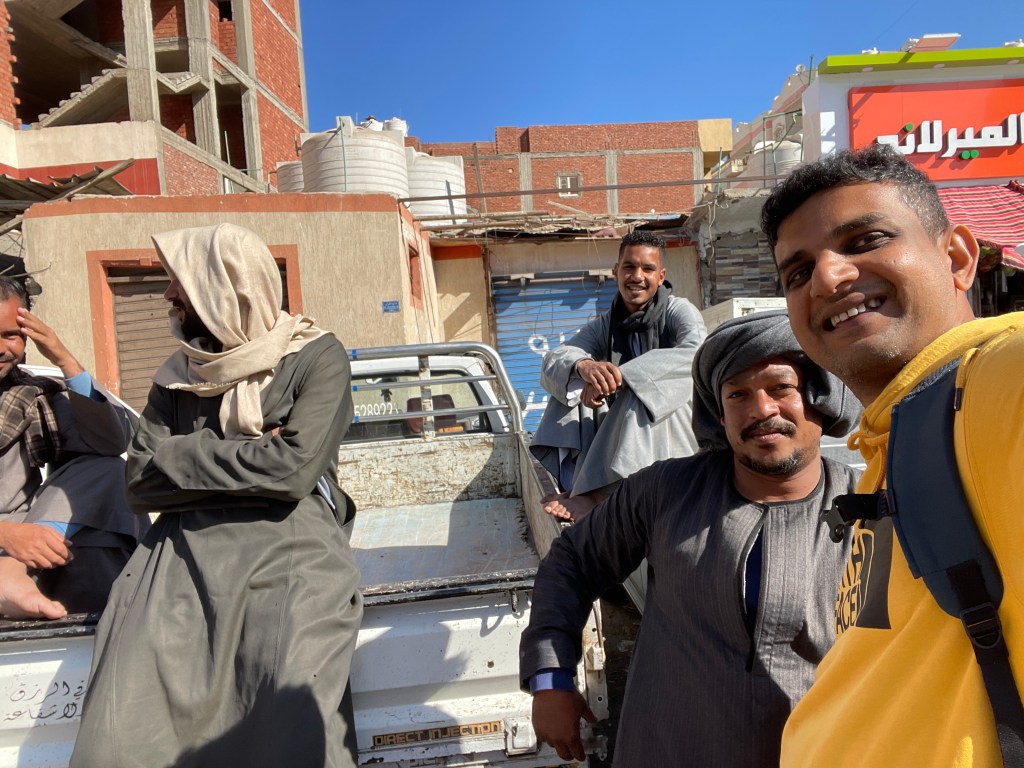
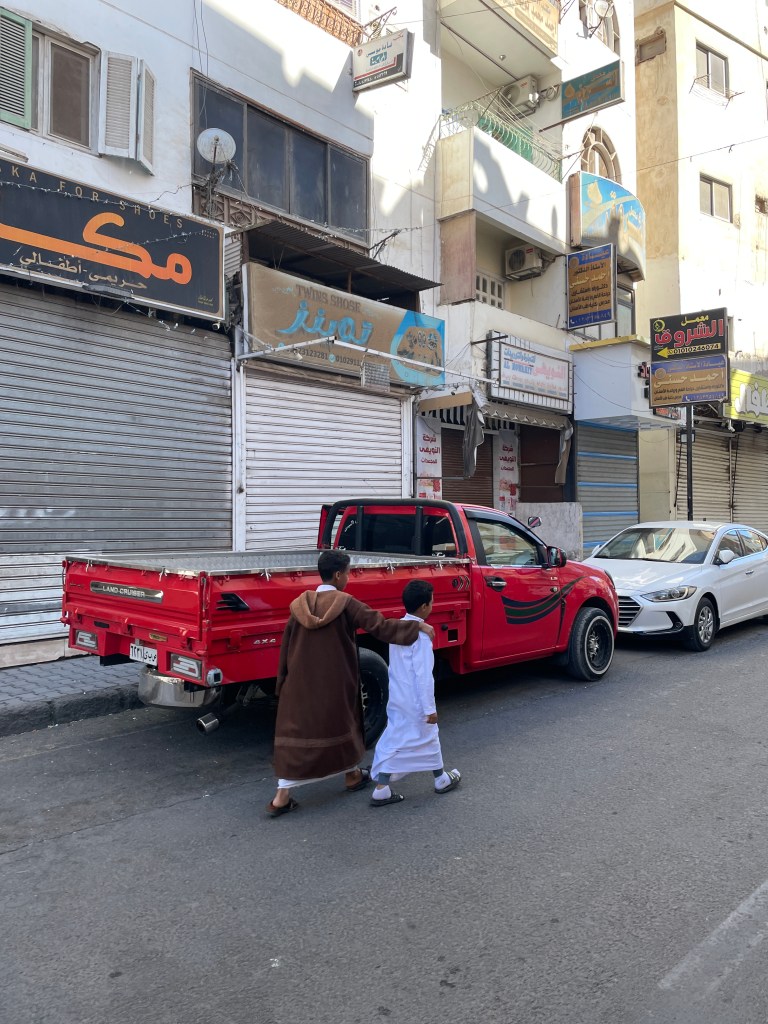
As I walk, I am salaamed by a bunch of men who are hanging around a pickup truck. They want to know where I am from. I become Ahmed, reviving an old identity from thirty years ago. I used to play football with Egyptian kids in small town saudi arabia.
We played in the same car park, where they chopped heads on Friday. The crowds on Friday were truly something then, and I know that Ahmed should work well here. Masha-Allah, they all agree and immediately want to share their falafels with me. The sight of a dozen flies makes me pause, and I politely decline the opportunity to really eat with the locals. We exchange odd notes about our lives. They love India and reel off names of Bollywood actors that are now long dead or should be anyway.
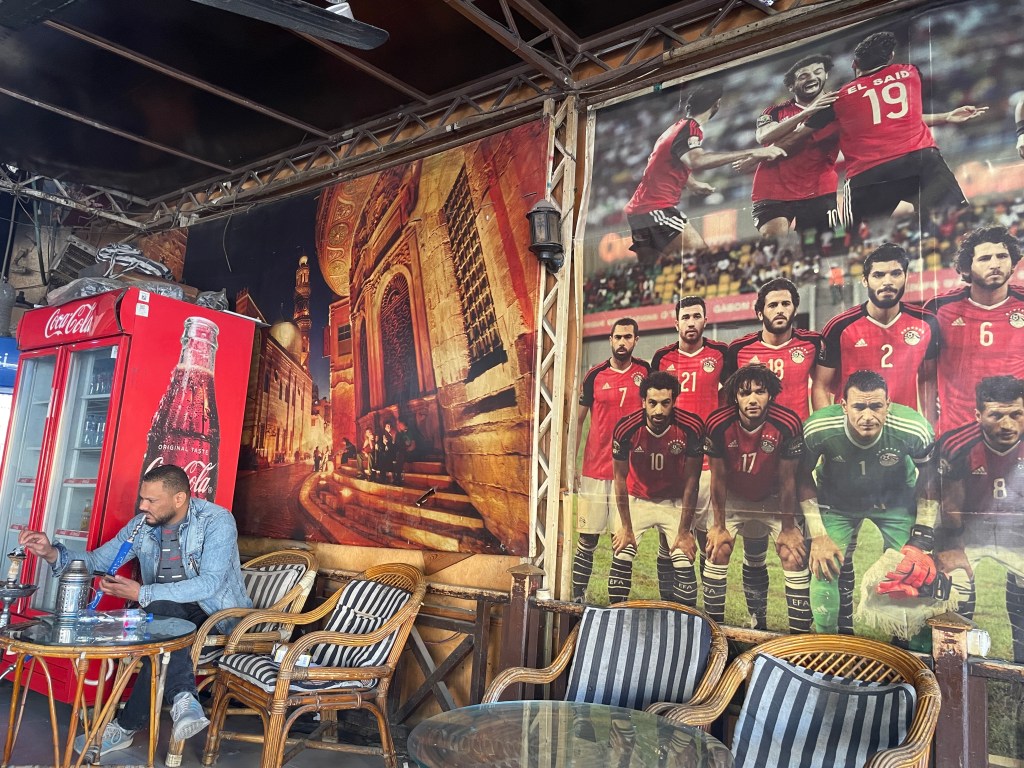
I step into a cafe and am immediately ushered in with a welcoming smile. Being a brown man with a masculine child is a great way to really make friends here. I work Ahmed some more and am served the best of the Arabic kahwa in a small glass cup. Men all around me drag on their bubbling hookahs. They cough long and hard, with each drag, their lungs wet with pleasure, and squint their eyes in bliss. A large poster of the Egyptian football team hangs on the walls.
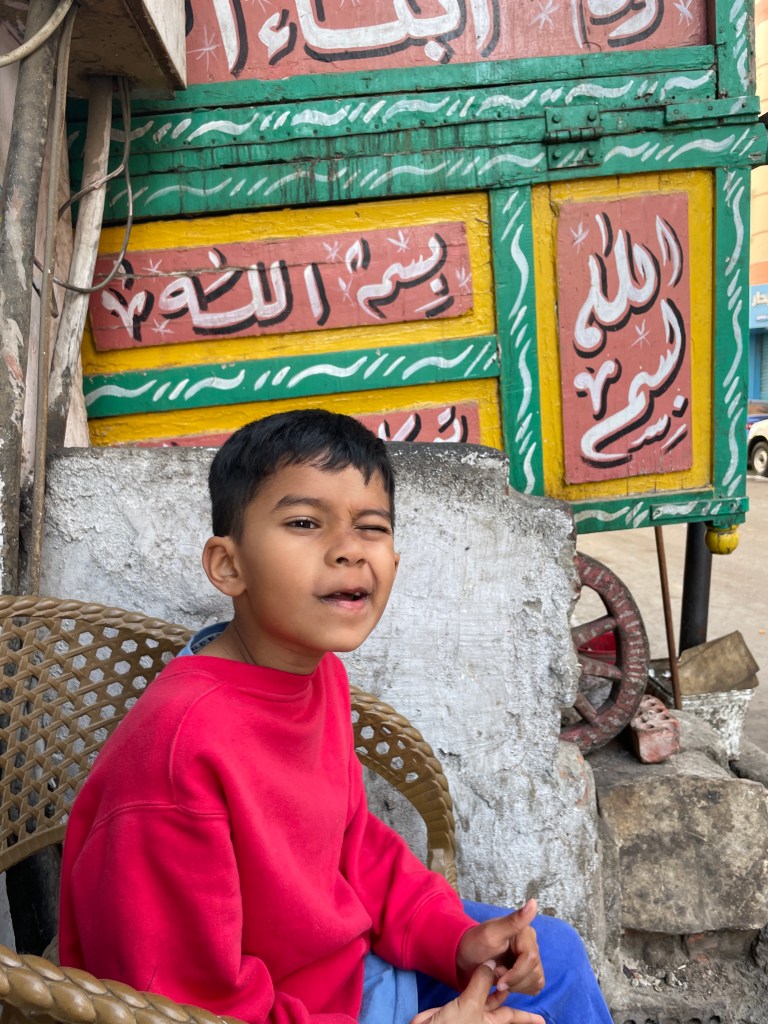
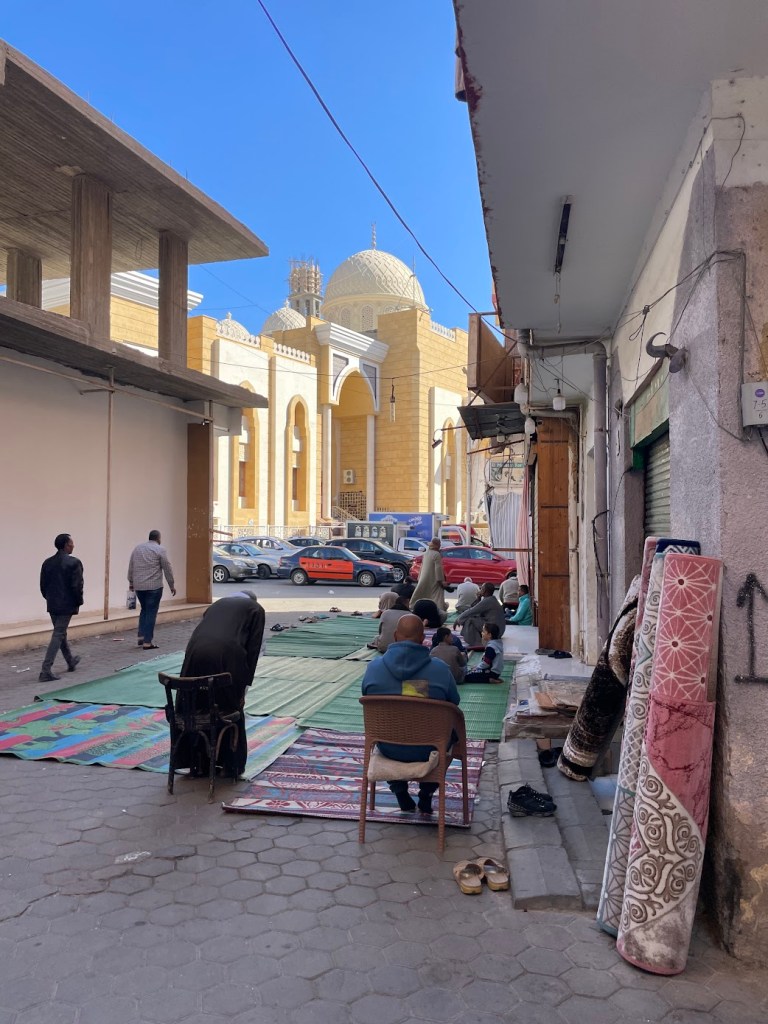
We wander along the streets of El-Dahar. It is Friday afternoon, and everyone is heading for prayer. Most of the shops are shut. Hookahs and large cooking stoves are lined up on the street. Dogs rummage in the trash.
Once the masjid is full, the rest spread their mats on the street outside. I buy a copper coffee pot from one of the infidels who hasn’t heeded the call to devotion.
Washermen have hung out white bedsheets to dry under twirling fans that hang from ropes. A good number of Russians and Germans have settled down in Hurghada, escaping from the grey brutality of a continental winter.
Hurghada has a split personality. Along the coast, a few kilometers from Al-Dahr, there are sprawling gated resorts, where the tourists need their clean and white bedsheets. I befriend Muhammad, a trader who runs his little shop selling swimwear across the street from one of these resorts. After venting his opinion on the morality of russian women, he calls the security guard who mans the gates and gets us in for the day at a discount.
I have never been to a gated beach, and it has a strange vibe. I snorkel a bit and see colorful parrotfish and shoals of mullets lurking under the pier. The sunken wooden stakes make an artificial reef. Gigantic white Russians have beached on the shore. It’s no wonder that Muhammad has strong opinions on these matters.
I look across the red sea and try to spot land. The horizon is just a blue haze, and I can only imagine the small Saudi town of Al-Wajh, which should lie diametrically opposite Hurghada. As a kid, I spent a memorable month collecting shells and corals there. There are no shells anywhere now. The corals have been bleaching and dying all over the world for a while now.
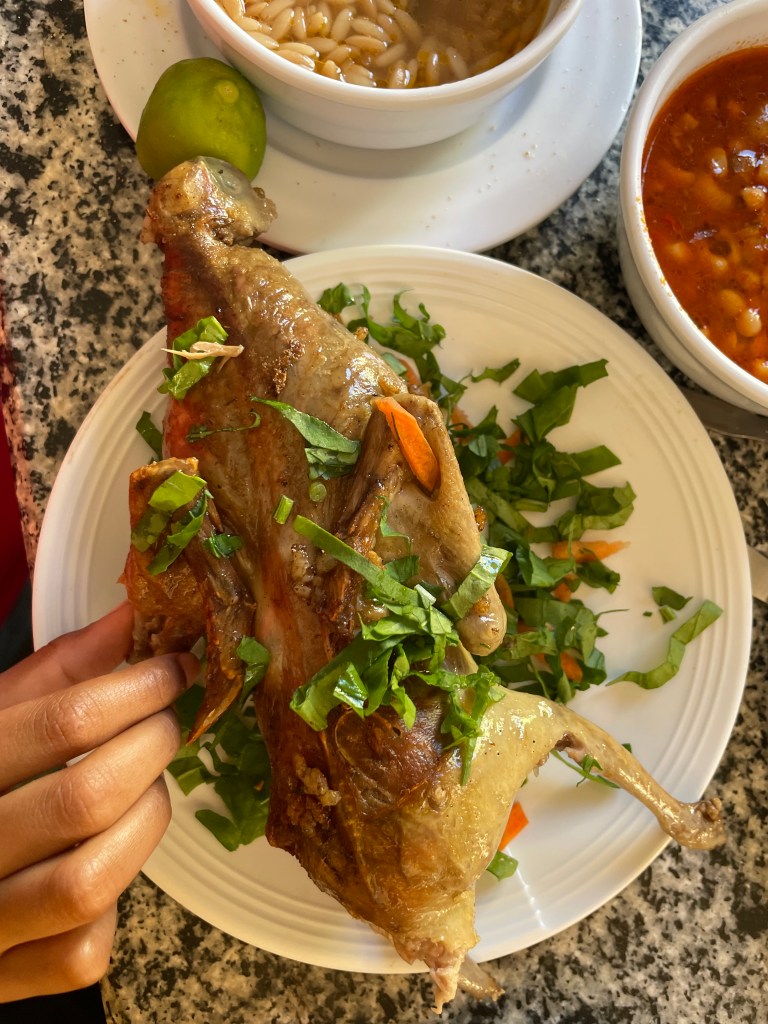
One afternoon, we ride in the minivan halfway to El-Dahar and feast on a proper Egyptian lunch. Roasted chicken, sheep, and a stuffed pigeon, paired with a kind of soup with wheat grains and beans. I try to find out if the pigeon came from the street. The restaurant does not understand my question. They keep saying it’s just a pigeon from around here. Later in the trip, when I visit a local butcher (for small animals), my question is answered. The butcher runs an aviary with ducks, pigeons, roosters, and rabbits. The pigeons are farmed after all.
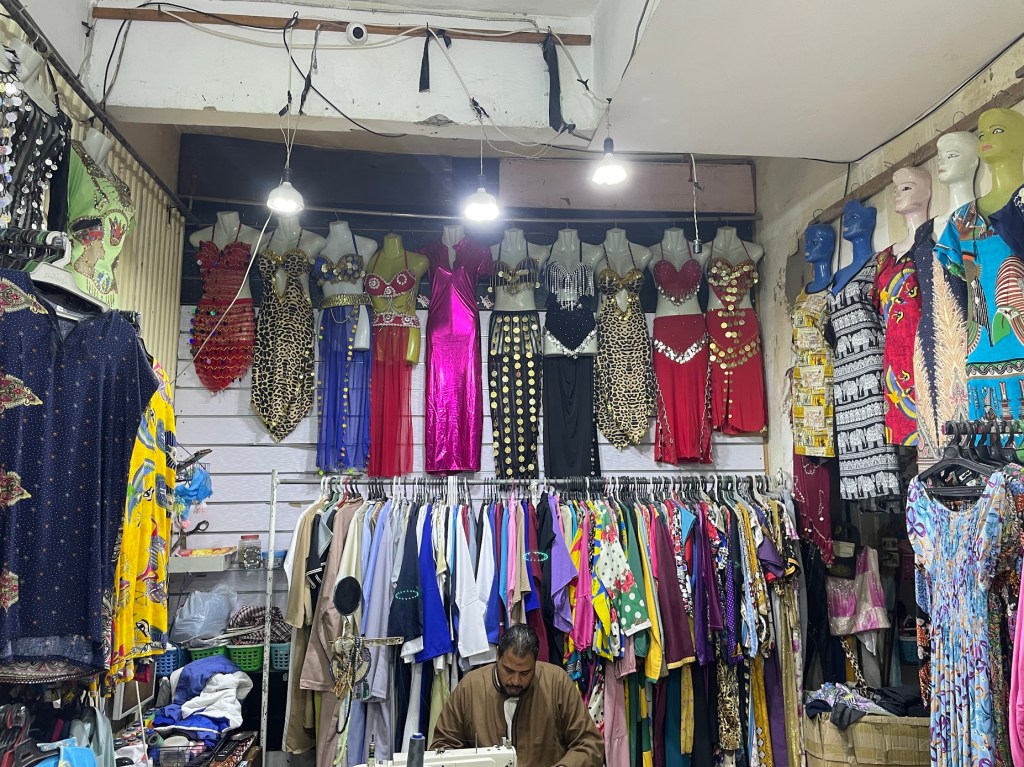
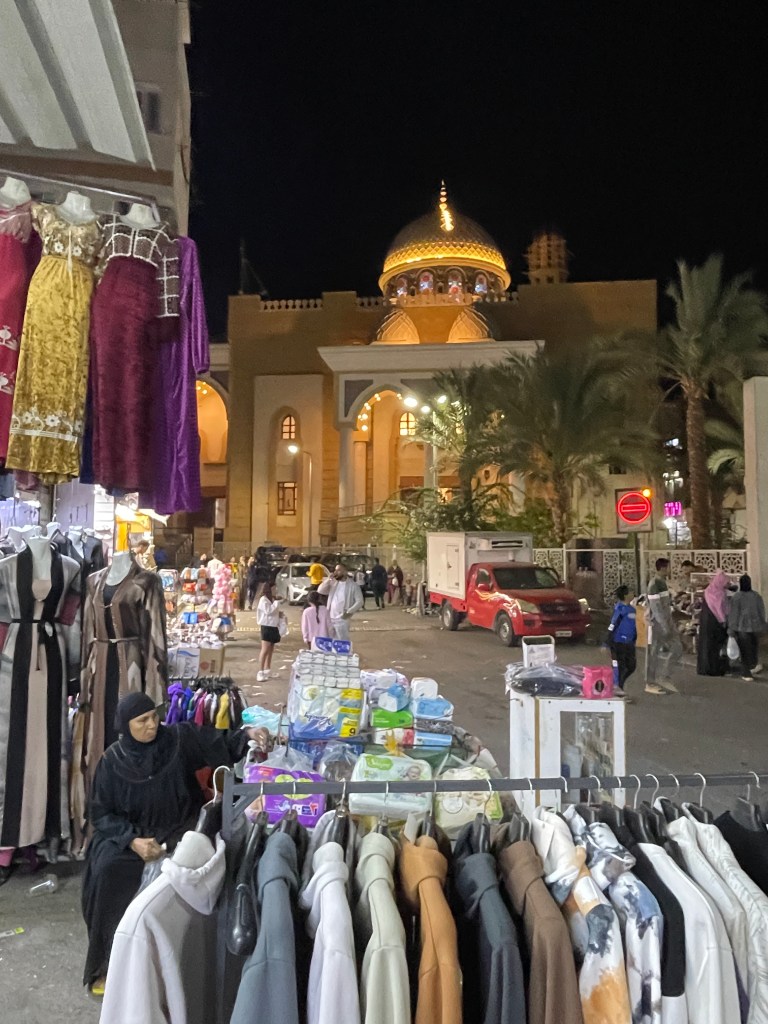
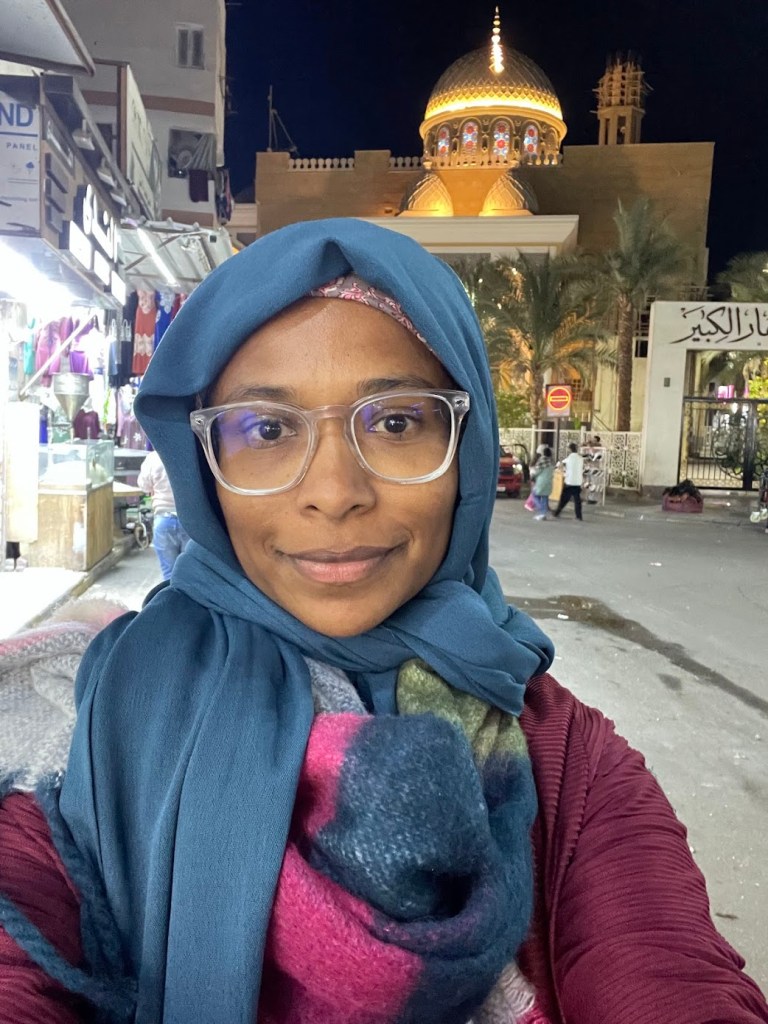
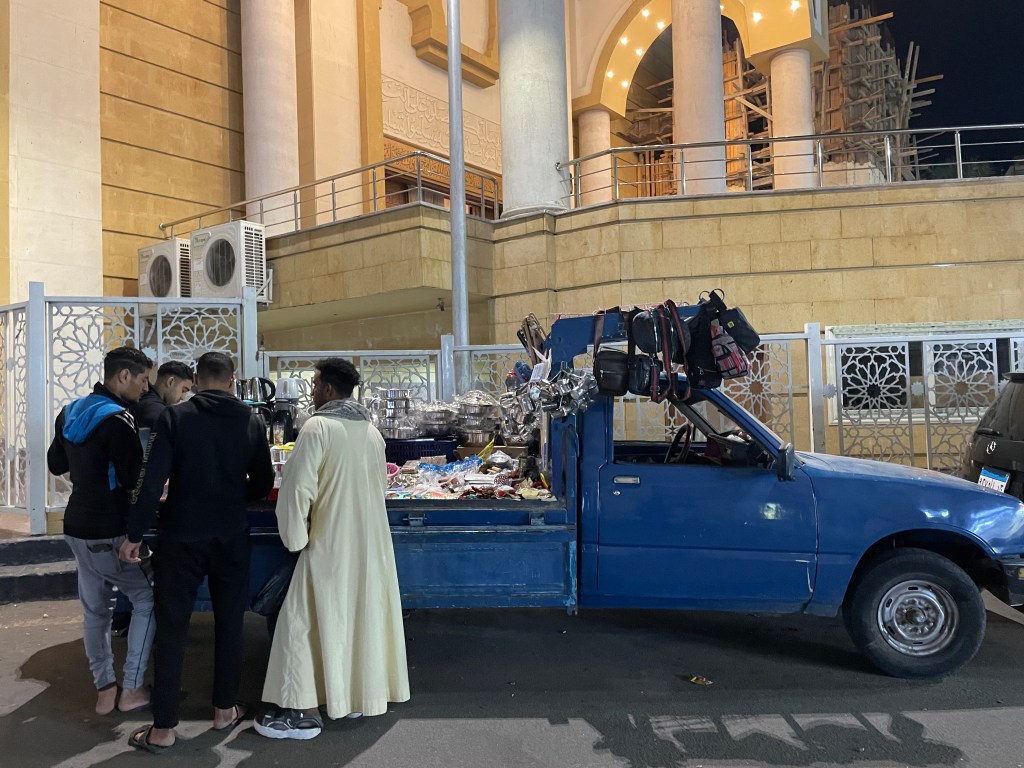
Everyone wakes up in the evenings. Khubz (a flatbread) emerges hot from the oven, and crispy vermicelli is squeezed out of a funnel. Pickup trucks double up as mobile stalls, and I get an arab head scarf (a knitted shamagh), and Dhanya gets a maroon abaya. Being brown and blending in, sprinkling a few Arabic phrases, and praising the local variety of the almighty, leads to a lot of insider access and genuine niceness.
 Three Bears Travel