
There is a particular feeling of joie de vivre in university towns that I absolutely dig. It’s possibly the throngs of young people and their creative energies or the very atmosphere of academic pursuit that gives these towns their cool twang. In Coimbra students are as much a part of the scene as anything else. They are seen walking around in uniform with a flourish of their capes making academics look almost stylish.


We stayed crested close to the University of Coimbra in a fascinating remodeled old house. You find these all over Portugal with a small inconspicuous board reading Alohamente Local. It had a wonderful kitchen and living room and an enviable veranda with an orange tree and a bougainvillea creeper usurping the opposite wall. Seated here on white metal chairs we could look up and see the clock tower of the university of Coimbra. The flag from the tower stayed at half mast throughout our stay in respect and mourning for the Queen of England who had passed on a week earlier.
This University is one of the oldest in the world having existed since the twelfth century. As you enter the gargantuan university premises (twenty thousand students study and live around it) you can see the ceaseless tread of students for almost eight hundred years in the hollowed out stone steps leading to it.

The baroque library called Biblioteca Joanina is more recent and is in use since the 1717. The library itself might be a few hundred years old but the books in it are in Latin and several centuries old. They all uniformly shine in spines of gilded gold. There is some legend about this library being the inspiration for J K Rowling’s library in the Harry potter books. Sadly we weren’t allowed to take any photos but somehow the actual experience after all the legend about it left us feeling slightly vacuous. Maybe some specifics about the books or the information in them( Name of the Rose, anyone? Sean Connery? Old library, people dying mysteriously? Awesome film) might have stoked our interests but there isn’t any provided.
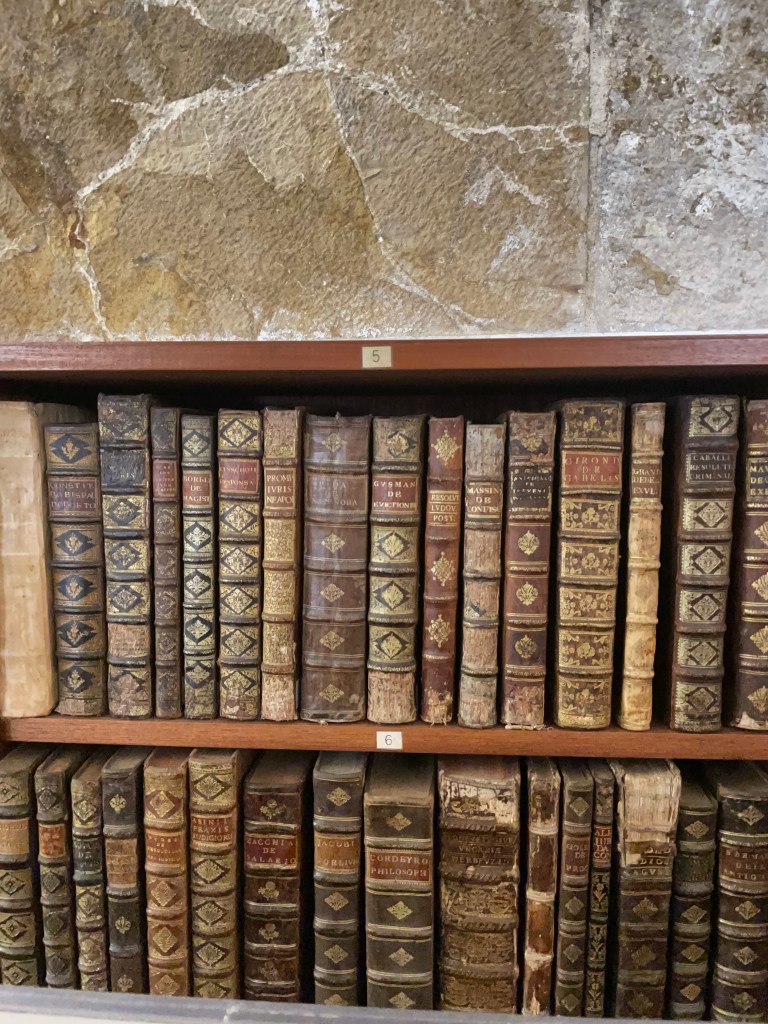
A chapel, and an out of the box palace that really was the kings stead at one point are the other marvels that are housed within the university itself. Of the halls comprising of the Palace the ceremonial room where Doctorates thesis’ were heard and awarded looks all red velvet and golden and royal. The next room has portraits of all the Heads of the college since the very beginning and most interestingly also the number of years or months of their tenure.

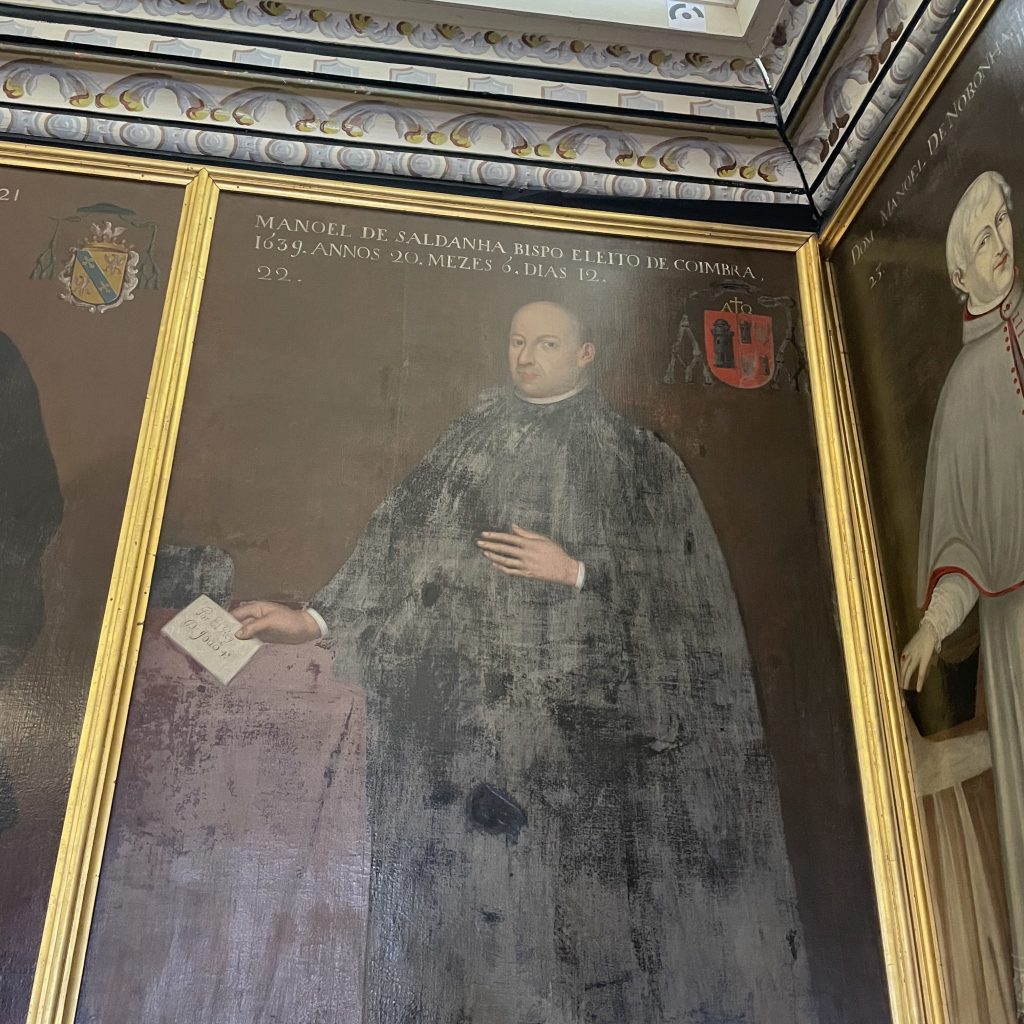
Amongst the tenures some had a few months, many a few years but one man I was shocked had twenty years to his credit. When I asked a student nearby she confirmed that Saldanha had been the most influential Principal of Coimbra University and that in the portrait he can be seen holding a letter to the King Joao the fourth. The letter was requesting for the Joanina Library!
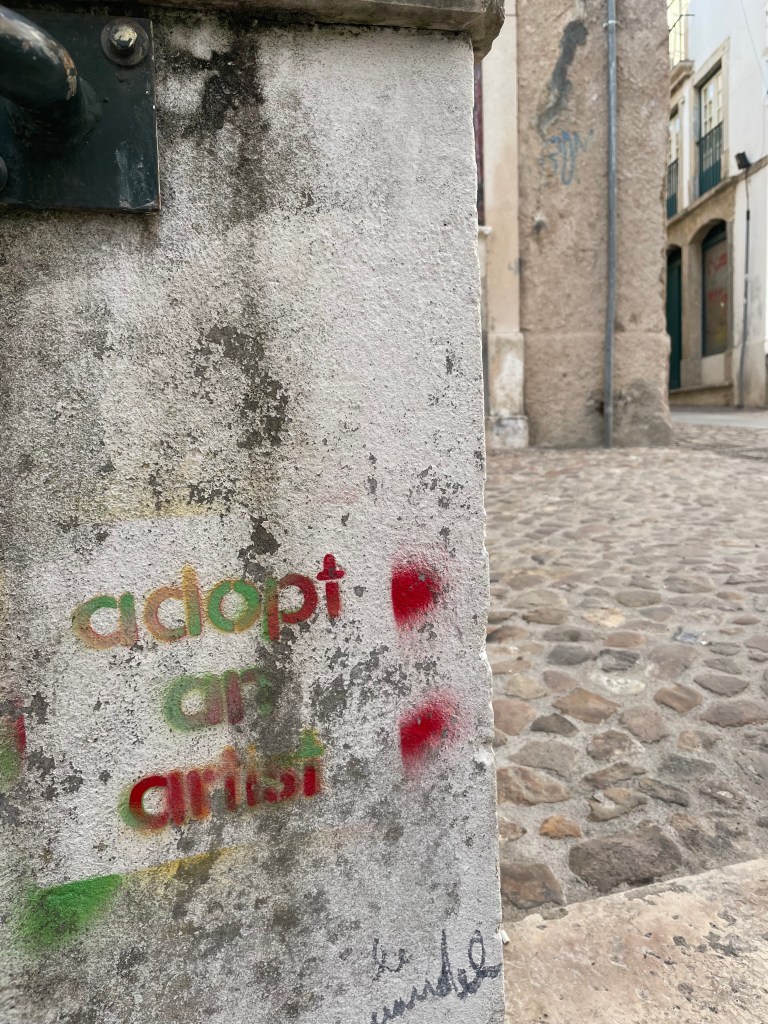
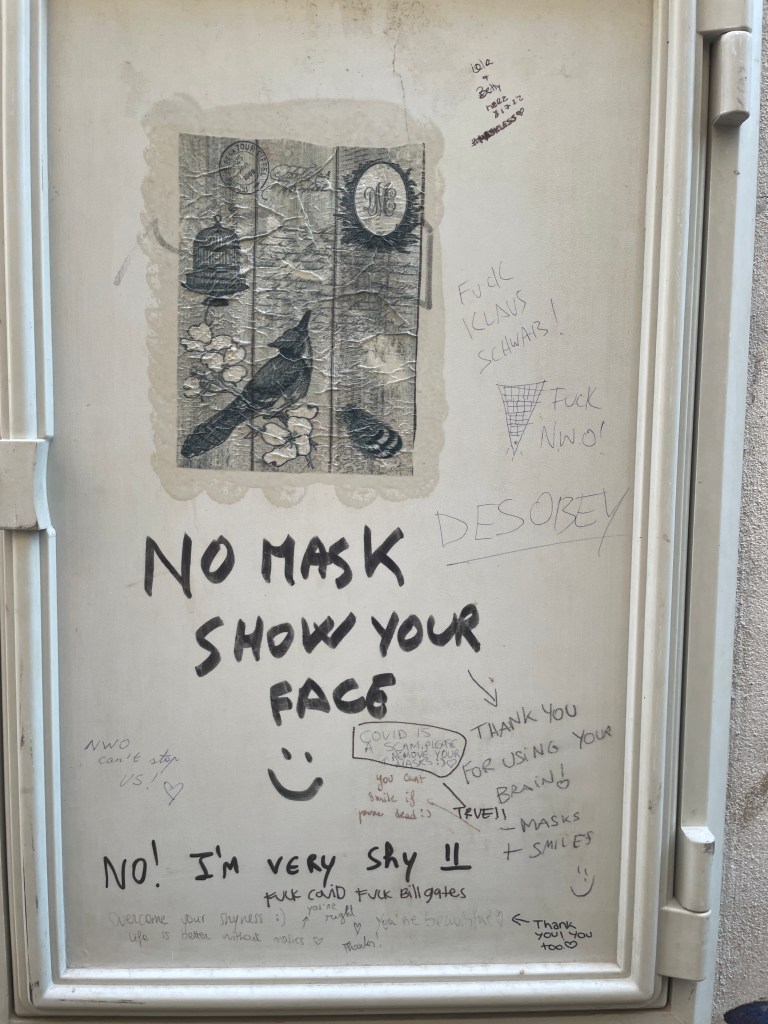
Coimbra bustles with students at all hours. Singing goes late into the night and is raucous. Seeing the orange earplugs provided in our bathroom made sense as midnight approached everyday. Students really do have a great time here. The streets are filled with graffiti that is purely artistic and oftentimes socialist. And I was very happy to find the most endearing of poetic writing and banal exchanges on the walls here in Coimbra.


Live music is an integral part of life here. Near the restaurants musicians come to croon delightful Portuguese songs or play instruments. We found a local sensation in the name of Pedro e Mel. You could really stop and listen to Melissa’s sweet voice( Arjun really took to her and wanted to listen only to her songs) and Pedro’s baritone somehow buttered itself to the most wonderful of Jazz tunes in the late afternoons. They seemed good enough to get featured in BBC world music. Give them a listen.

In the evenings with much ostentation Fado is sung by University male students in Fado houses( Even though women have a long history of Fado singing Coimbra has a tradition of men from the university performing). They dress in their university uniform of black and white. Along with the traditional guitar a special hybrid between a sitar and a guitar called a Fado guitarra is an invention from Coimbra. The singer sings songs of love and fair maidens and also about the river apparently. I listened to one song sung by a sepulchral voiced man covered in a black shawl (a feature of Fado singing dress that I noticed elsewhere too- once the shawl comes on its as if you are in the zone to perform) in a small room housing seventy people with no mike or loud speakers. His voice reached the walls to the back with utter ease.

The admirable university has an almost magical botanical garden brimming with exotic bamboo and classical fountains that begins at the leg of the university and continues all the way to the river and jumps to the other side covering a whopping 32 acres. A bridge connects the green expanse across the river. Like a green cloud the Jardim Botanico presides over Coimbra’s cityscape.
 Three Bears Travel